PULSES
Pulses are the edible seeds of plants in the legume family. They include dry beans, dry peas, chickpeas, soybeans and lentils. The term “pulses” is limited to crops harvested solely as dry grains, which differentiates them from other vegetable crops that are harvested while still green, like green beans and green peas.
Beans
Phaseolus vulgaris
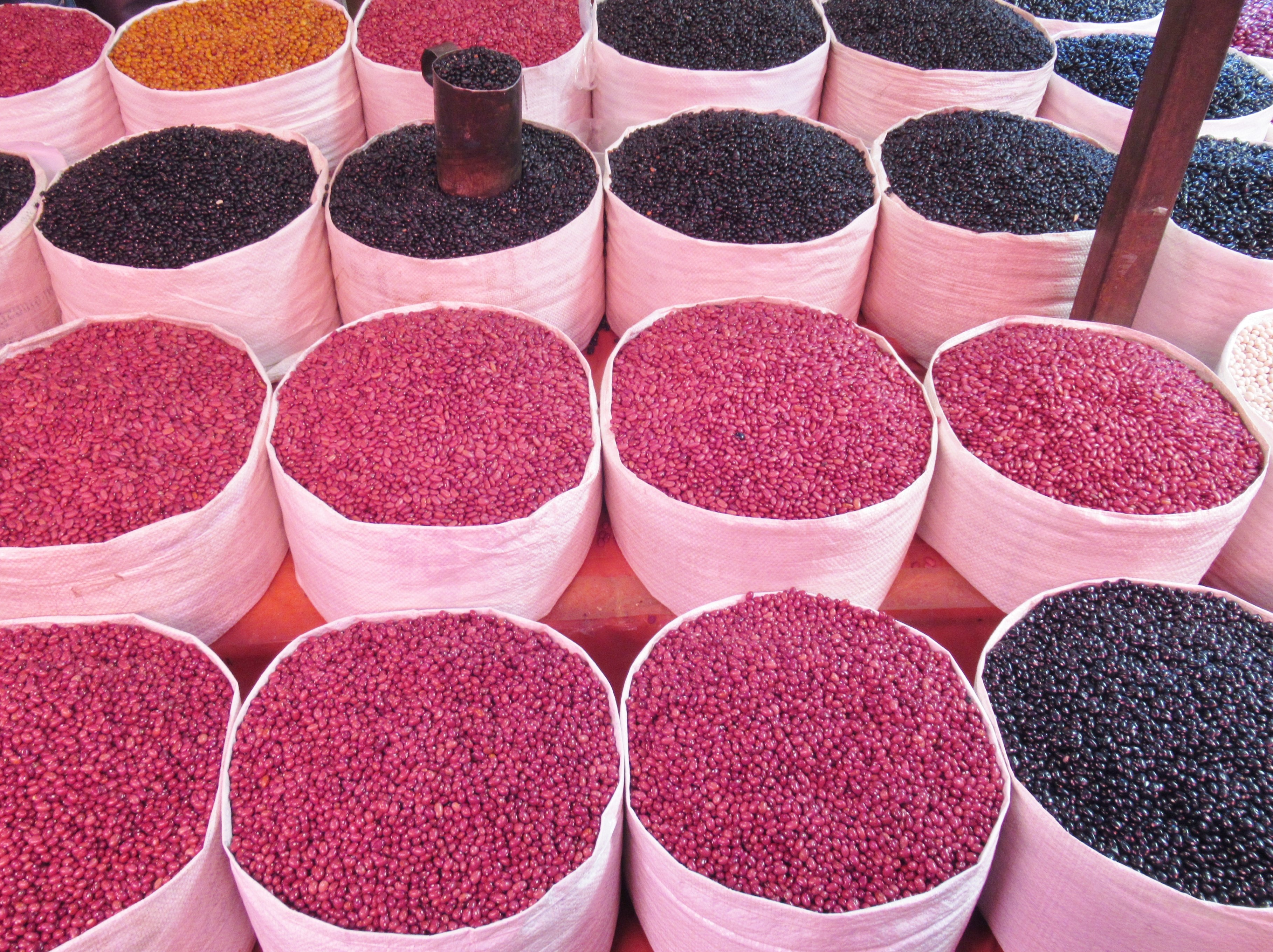
Origin: Common beans are a rich world resource of biodiversity with two primary centers of domestication that flourished between 4300 and 8000 years ago: Central America (including Mexico) and the Peruvian Andes. They include black beans, red beans, Great Northern beans, pinto beans, lima beans and many other varieties. Beans are one of the "Three Sister" foods in Native American tradition, with the others being corn and squash.
Nutrition: Dried beans are high in protein, dietary fiber and vitamin and mineral content, which includes B-vitamins, iron, potassium, phosphorous and folate. Beans are also a rich source of slowly digestible starch, which classifies them as a low glycemic food.
Medicinal Value: The bioactive compounds naturally present in beans are reported to help protect us from cardiovascular diseases, hypertension, diabetes, high cholesterol and cancer. In the 2023 Netflix documentary Live to 100: Secrets of the Blue Zones, researchers found that eating a cup of beans a day was associated with an extra four years of life expectancy.
Chickpeas
Cicer reticulatum
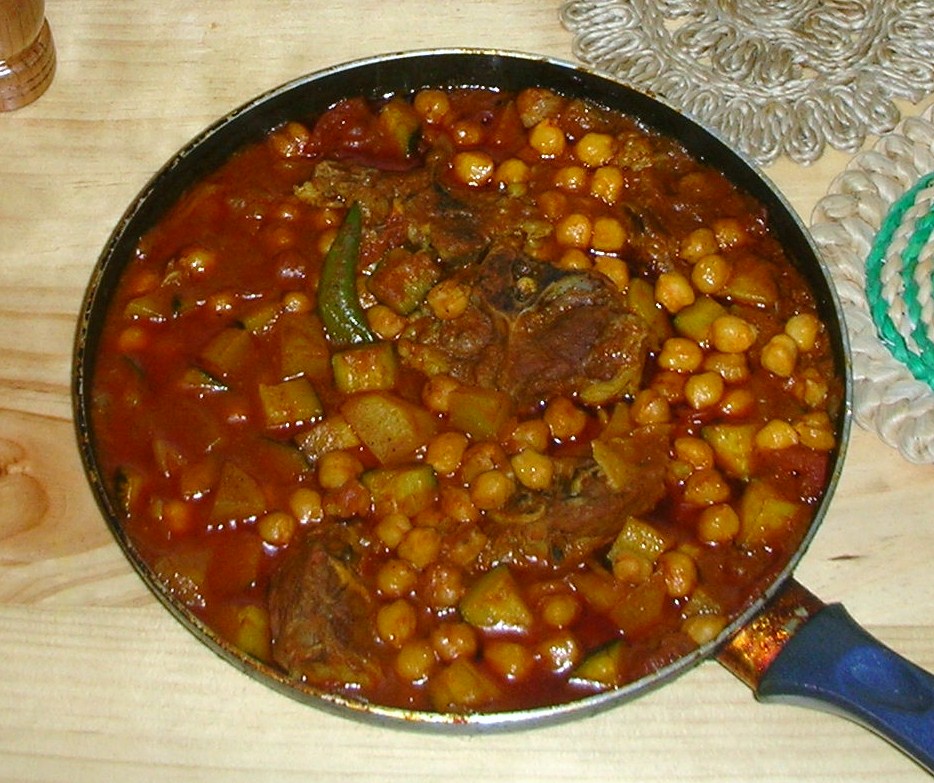
Cooked Chickpeas, in an Algerian dish known as Chakhchoukha. Photo by Xufanc via Wikipedia.
Origin: Chickpeas (also known as garbanzo beans) are indigenous to parts of what is today southeastern Türkiye, Syria and the West Bank (Palestine). It is likely that chickpeas were first domesticated about 11,000 years ago.
Nutrition: Chickpeas are high in protein, dietary fiber, unsaturated and polyunsaturated fatty acids, as well as folate, iron, magnesium, manganese, phosphorus, potassium and zinc.
Medicinal value: Chickpeas contain a wide variety of healthy phytochemicals that may help prevent the development of chronic health problems, including diabetes, heart disease and cancer. Because it is a high-bulk food, chickpeas provide a sensation of fullness without the calories, making it valuable to help maintain healthy weight.
Lentils
Lens culinaris
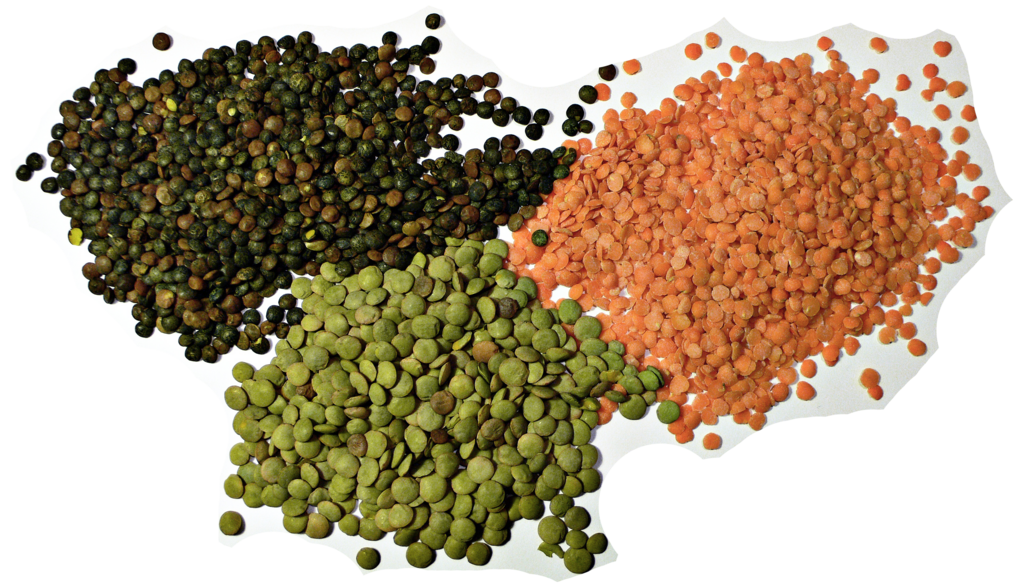
Three Kinds of Lentils. Photo by JustinC via Wikipedia.
Origin: Wild lentils (Lens orientalis) were gathered by humans as early as 23,000 years ago in what are today Israel and Syria. Lentils were probably domesticated from stands of the wild plant somewhere between what is now southern Türkiye to the north and Jordan to the south.
Nutrition: Lentils are rich in dietary fiber and protein. Key minerals include iron, potassium, magnesium and zinc. They are also a good source of B vitamins, including folate, thiamine, and niacin. Lentils also contain important micronutrients like polyphenols, which fight cell damage and support nerve health.
Medicinal Value: Recent scientific studies have found that the consumption of lentils is associated with reductions in the incidence of degenerative diseases including diabetes, cardiovascular disease (CVD) and cancer.
Soybeans
Glycine max

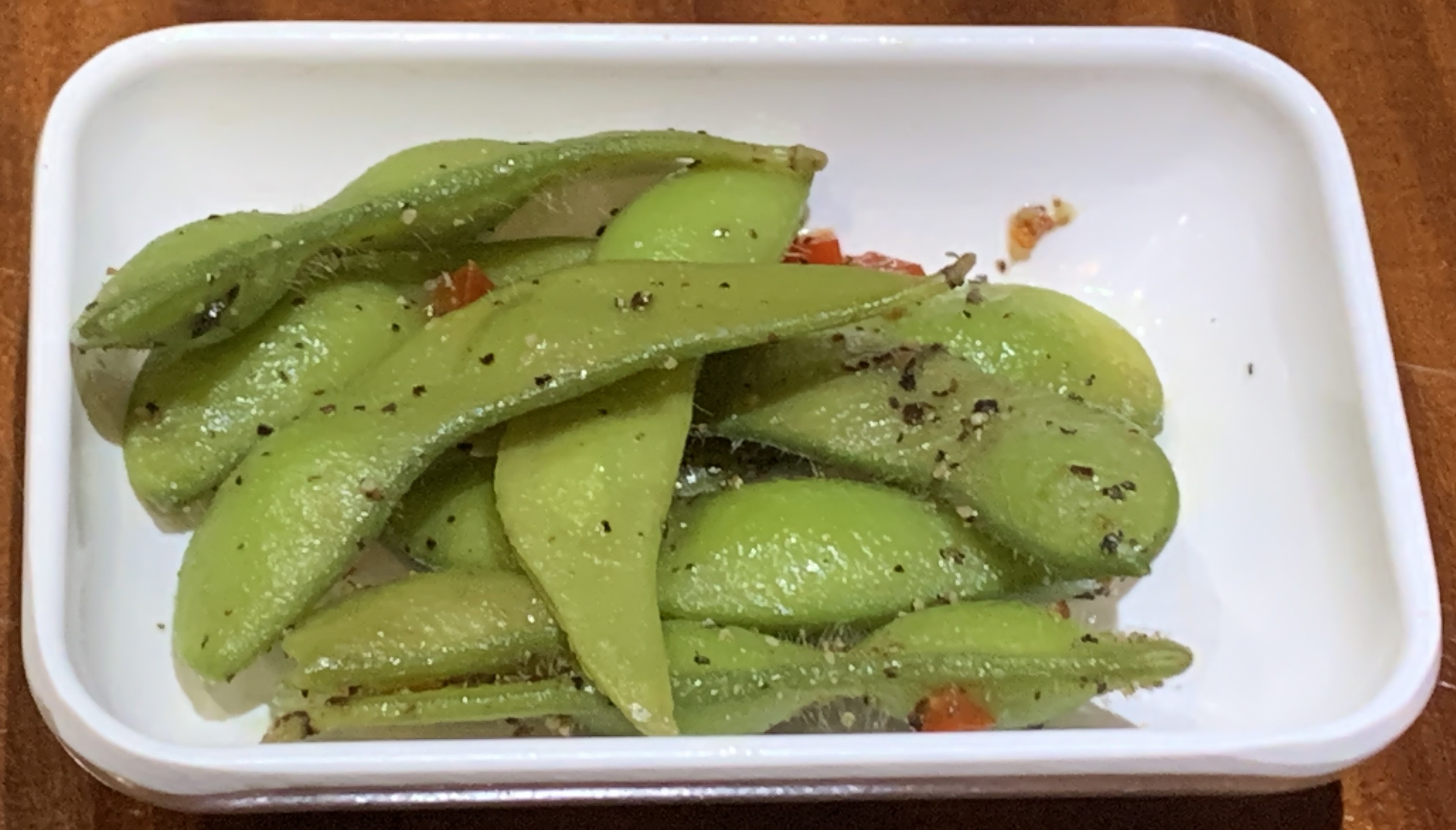
Fresh tofu, made from soybeans. Edamame, a Japanese appetizer made from soybeans in their pods.
Origin: Recent genetic studies have found that cultivated soybeans were domesticated from their wild progenitor (Glycine soja) in temperate regions of China some 5000 years ago.
Nutrition: The versatile soybean provides all nine “essential” amino acids that are needed for healthy bones and muscles. Most of the fats in soybeans are polyunsaturated and contain omega-3 and omega-6 fats, which support heart health. In addition to protein and dietary fiber, soybeans are high in potassium and iron.
Medicinal value: The numerous phytochemicals found in soybeans are believed to help prevent cancer, premature aging, kidney failure, obesity, and control healthy cholesterol levels; they have also been shown to prevent gallstone formation, senile dementia and hyperlipidemia, an abnormally high concentration of fats or lipids in the blood.
