OTHER FOODS
This section includes plant foods that do not easily fit into the previous food categories in the ways that they are normally consumed. They include chocolate, coffee, pasta, sugar and tea.
Chocolate
Theobroma cacao
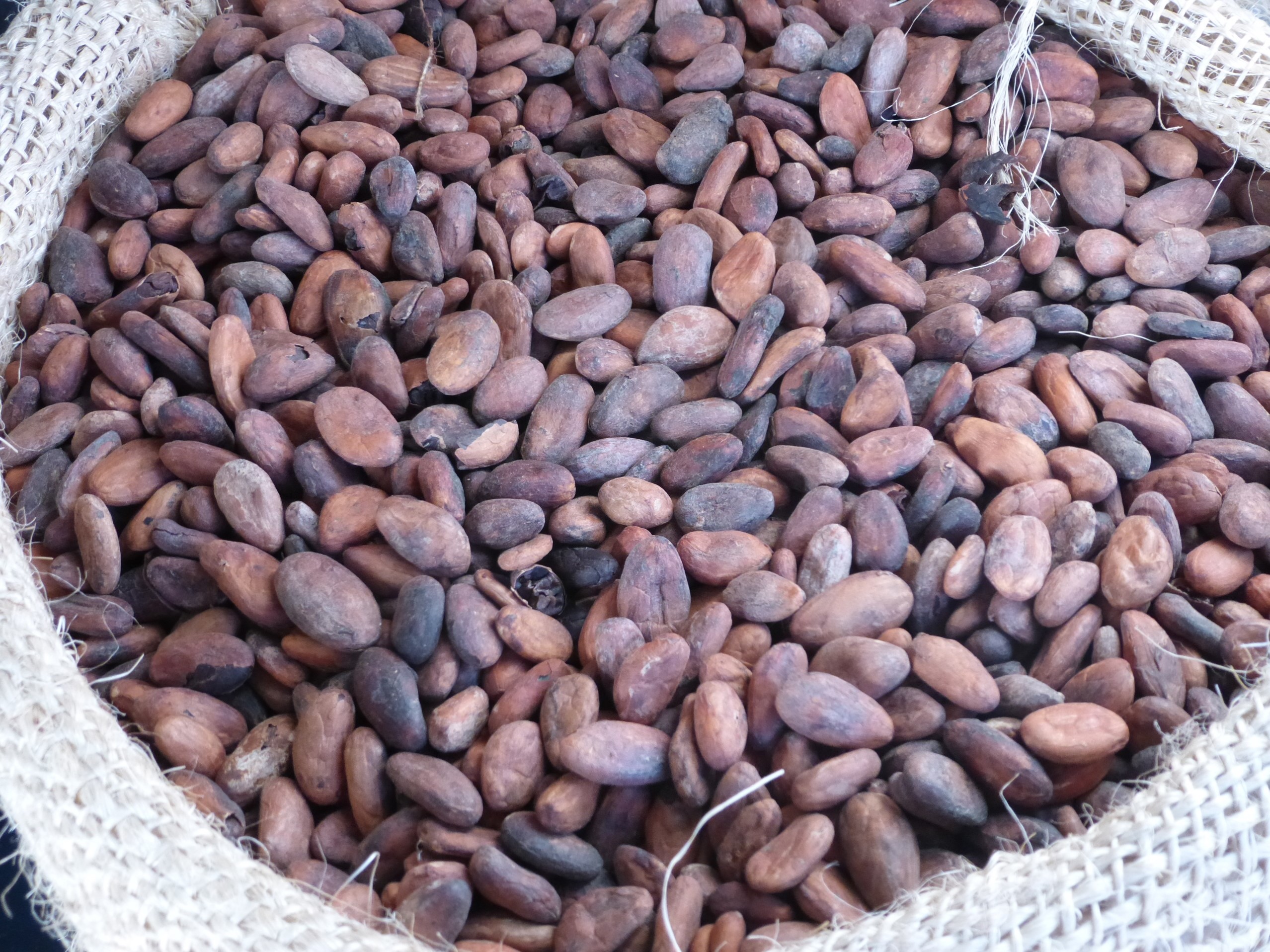
Cacao beans, Oaxaca, Mexico.
Origin: Chocolate is made from the fruit of the cacao tree (Theobroma cacao), which is indigenous to Mexico and Central America. The fruits are called pods and each pod contains around 40 cacao beans. The beans are dried and roasted to create cocoa beans. The origin of chocolate has been traced to the Olmecs, who have lived in what are now the Mexican states of Tabasco and Veracruz. Archeologists believe that the Olmecs used cacao beans that were ground into a bitter tasting ceremonial drink beginning in about 1500 BCE.
Nutrition: Because dark chocolate contains less sugar and fat than milk chocolate or white chocolate, it provides higher amounts of cocoa solids: dark chocolate has between 50 and 90 percent cocoa solids, while milk chocolate contains 10 to 50 percent. Dark chocolate is also a good source of essential minerals, including iron, magnesium, phosphorous, copper and zinc.
Medicnlal Value: Flavonols in chocolate have been found to improve blood circulation and lower blood pressure, and are also considered beneficial in fighting cell damage due to aging. They may even offer protection from the sun’s ultraviolet rays. Polyphenols are found to reduce cortisol levels, a stress hormone. They also have mood-enhancing properties.
Coffee
Coffea
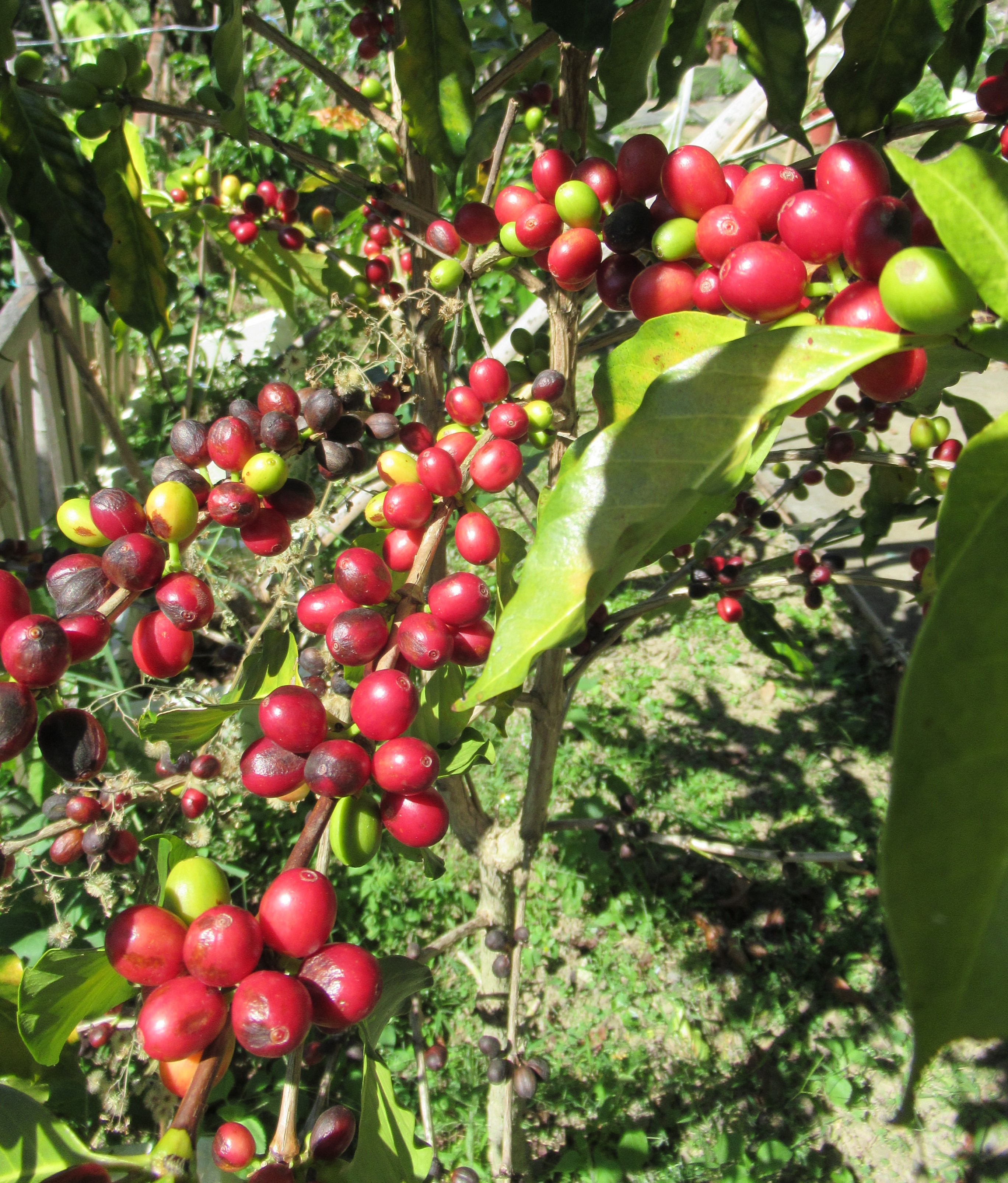
Coffee beans, Yunlin County, Taiwan.
Origin: The coffee plant originated in the highlands of Ethiopia, where some of the world’s finest coffees are grown today, including the Sidamo, Harrar and Yirgacheffe varieties. According to legend, the coffee plant was discovered by a goat herder named Kaldi around 850 CE, who observed increased physical activity in his goats after they consumed raw coffee beans from the tree.
Nutrition: Coffee beans contain protein, carbohydrates and fat. The coffee we drink is not a nutritional powerhouse, although it contains numerous phytochemicals that can promote heath. A cup of black coffee has 0 calories and many calorie-conscious coffee drinkers prefer their brew black. However, coffee - whether hot or cold - is often consumed with sugar, milk, cream or non-dairy creamer, which can increase its calorie content. Many commercially-prepared coffee drinks are high in fat, sugar and calories, and often include whipped cream and flavorings like caramel and mocha.
Medicinal Value: In addition to caffeine, coffee contains a variety of antioxidants and other phytochemicals that can reduce the possibility of premature death from heart disease, stroke, type 2 diabetes and kidney disease among women. Studies have also found that drinking coffee on a regular basis can strengthen the body’s DNA and support liver function, while decreasing the risk of developing Alzheimer’s disease, colorectal cancer, heart failure, stroke and Parkinson’s disease.
Pasta
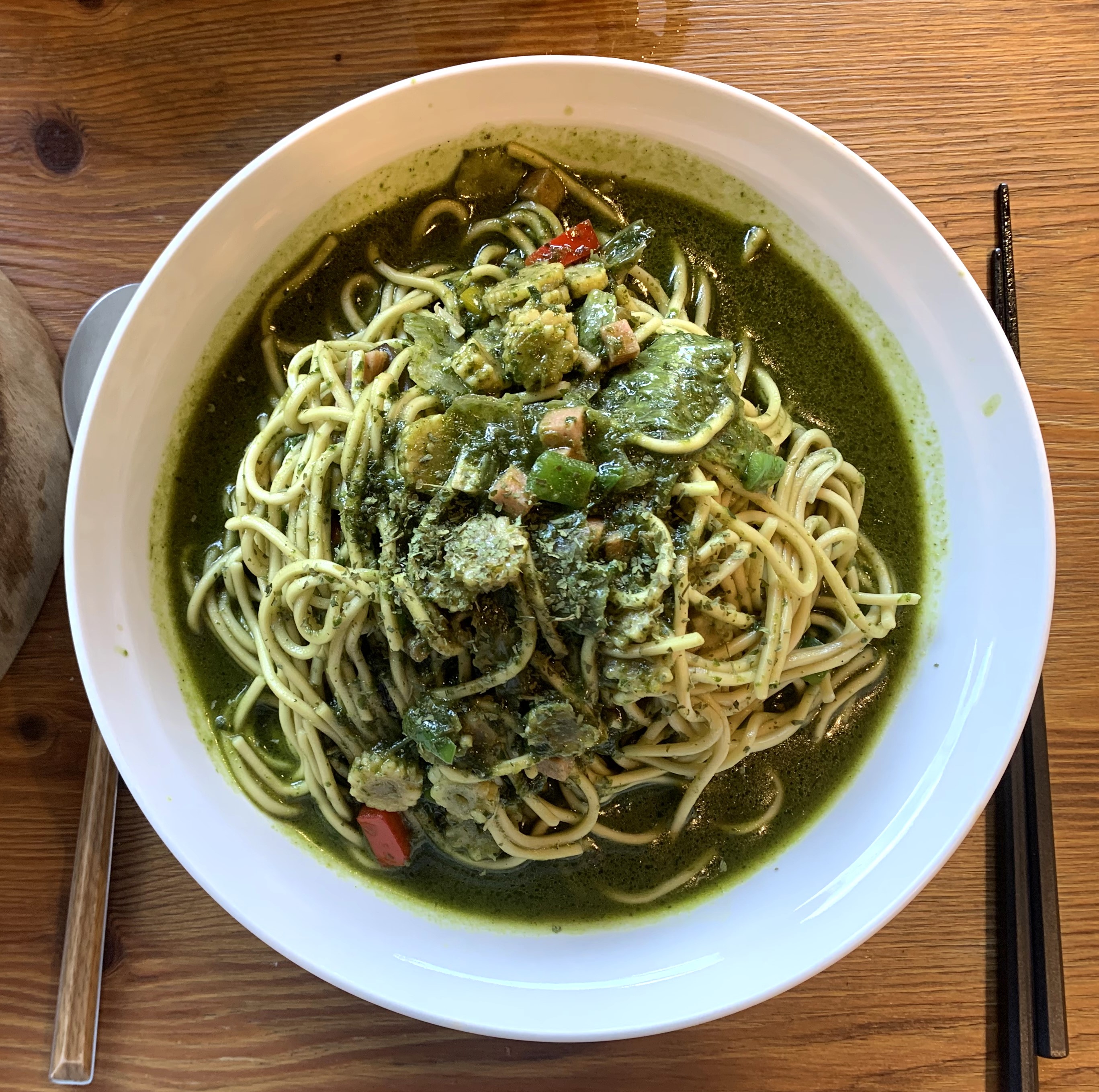
Pasta Pesto
Origin: Pasta’s earliest roots have been traced to ancient China during the Shang Dynasty (1600-1045 BCE), where some form of pasta was made with either wheat or rice flour. It also appears that Africa had its own form of pasta at that time, made with kamut, also known as Khorasan wheat. Historians have credited Thomas Jefferson with popularizing pasta in the United States. During an extended stay in Paris from 1784 -1789, Jefferson ate what he called “macaroni” and liked it so much be brought back several cases of the pasta to his home in Virginia. His chef, a slave named James Hemings, traveled with Jefferson to Paris and has been credited with introducing macaroni and cheese to the United States.
Nutrition: Pasta can be made from many sources, including wheat (whole or white) flour, lentil flour, chickpea flour, spinach, tomato, buckwheat, corn and rice. Depending on the ingredients used and how the pasta is processed, its nutritional value can vary tremendously. Pasta made from whole grains tends to contain more dietary fiber, protein, vitamins, minerals and and other nutrients than pasta made from refined wheat or rice flour.
Pasta can be enjoyed in a myriad of forms and is considered the world's most popular food. Instant noodles - which often contain high amounts of sodium - have become one of the most ubiquitous fast foods on the planet, with over 100 billion servings consumed annually.
Sugarcane
Saccharum officinarum
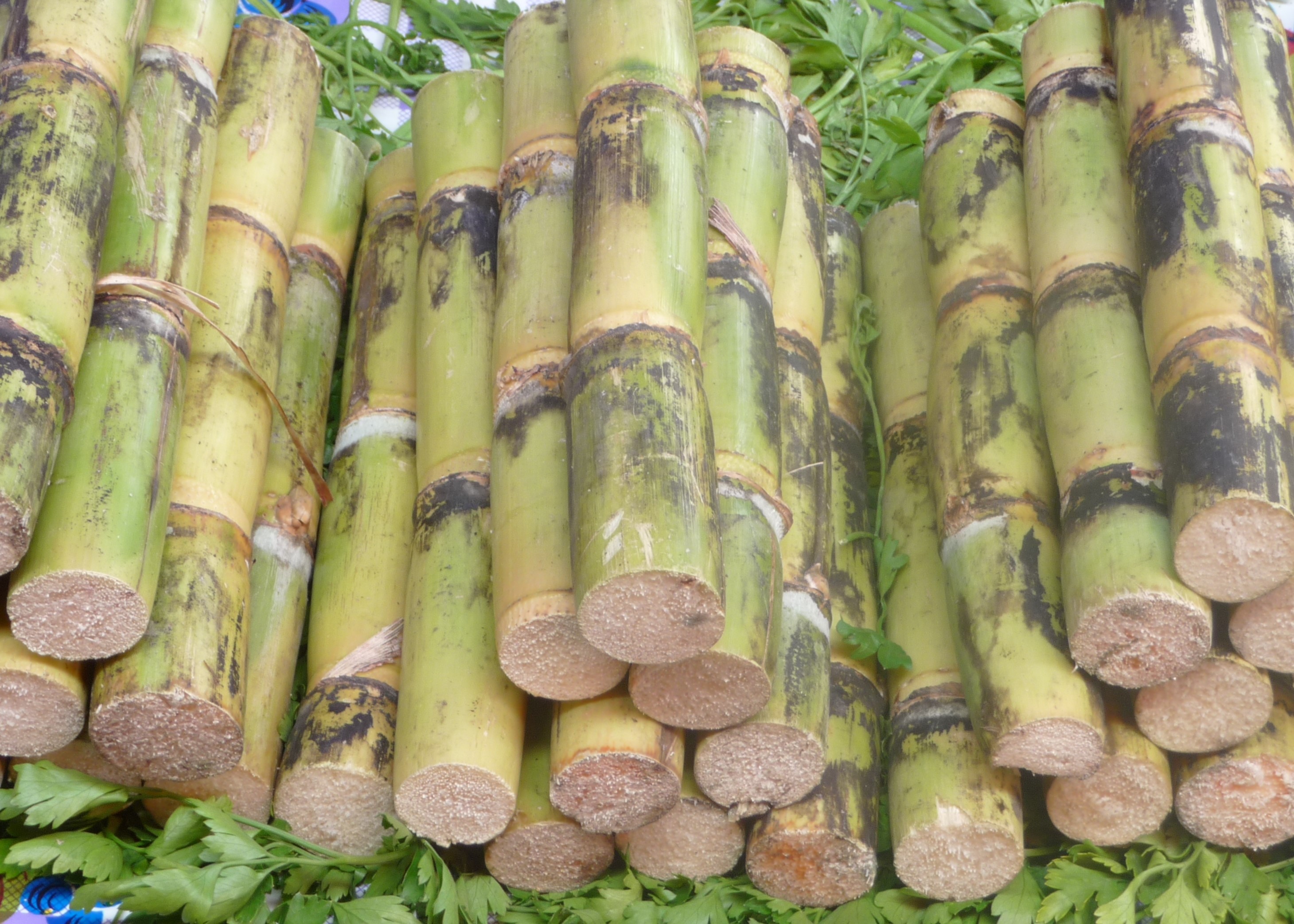
Origin: Sugarcane is high-yield tropical grass whose cultivation dates back to India some 3000 to 4000 years ago. Along with honey, it is considered the world's oldest sweetener.
Nutrition: Sugar provides carbohydrates, the fuels that provide the body with energy. Although a certain amount of glucose is necessary for the brain, central nervous system and red blood cells to function properly, these needs can be met without adding sugar to our foods: naturally occurring sugars are found in fruits, vegetables, and other foods. Per capita annual consumption of refined sugar in the United States is a stunning 69 pounds.
Medicinal value: Consuming large amounts of sugar can raise blood glucose levels, which can lead to a wide variety of health problems including obesity, diabetes, heart disease, colon cancer, high blood pressure, high cholesterol, kidney disease, liver disease, and even increase the risk of dementia.
Tea
Camellia sinensis

Tea Shop, Taiwan.
Origin: Tea originated in China. Containers for tea have been found in tombs dating from the Han dynasty (206 BCE - 220 CE) and the first published account of tea cultivation, processing and drinking appeared in 350 CE. During the Tang dynasty (618 - 906 CE), tea became firmly established in China.
Nutrition: Most traditional teas do not contain many nutrients, but do contain caffeine, which is also found in coffee beans. However, tea is rich in a variety of phytochemicals, which not only provide flavor and aroma, but health-promoting properties as well.
Medicinal Value: Both green and black tea contains a variety of antioxidants, including polyphenols, which inhibit free radical damage to body cells. Black tea contains theaflavins and thearubigins, which are antioxidant polyphenols that help alleviate high cholesterol; they also have been found to lower the risk of high blood sugar. Drinking 2-3 cups of green or black tea daily has been associated with a reduced risk of premature death in general, and a lower risk of heart disease, stroke, type 2 diabetes and cancer in particular.
