NUTS AND SEEDS
Nuts are defined as fruits that consist of a hard or tough shell that “protects a kernel which is usually edible.” Although a wide variety of dry seeds have also been included as "nuts" the most accepted definition of nut implies that the shell does not open to release the seed. In common use, a "tree nut" is any nut that comes from a tree. However, the peanut – which is actually a legume – is included in this section because it is eaten as a nut. This section will also include edible seeds, including sunflower.
Almonds
Prunus amygdabus
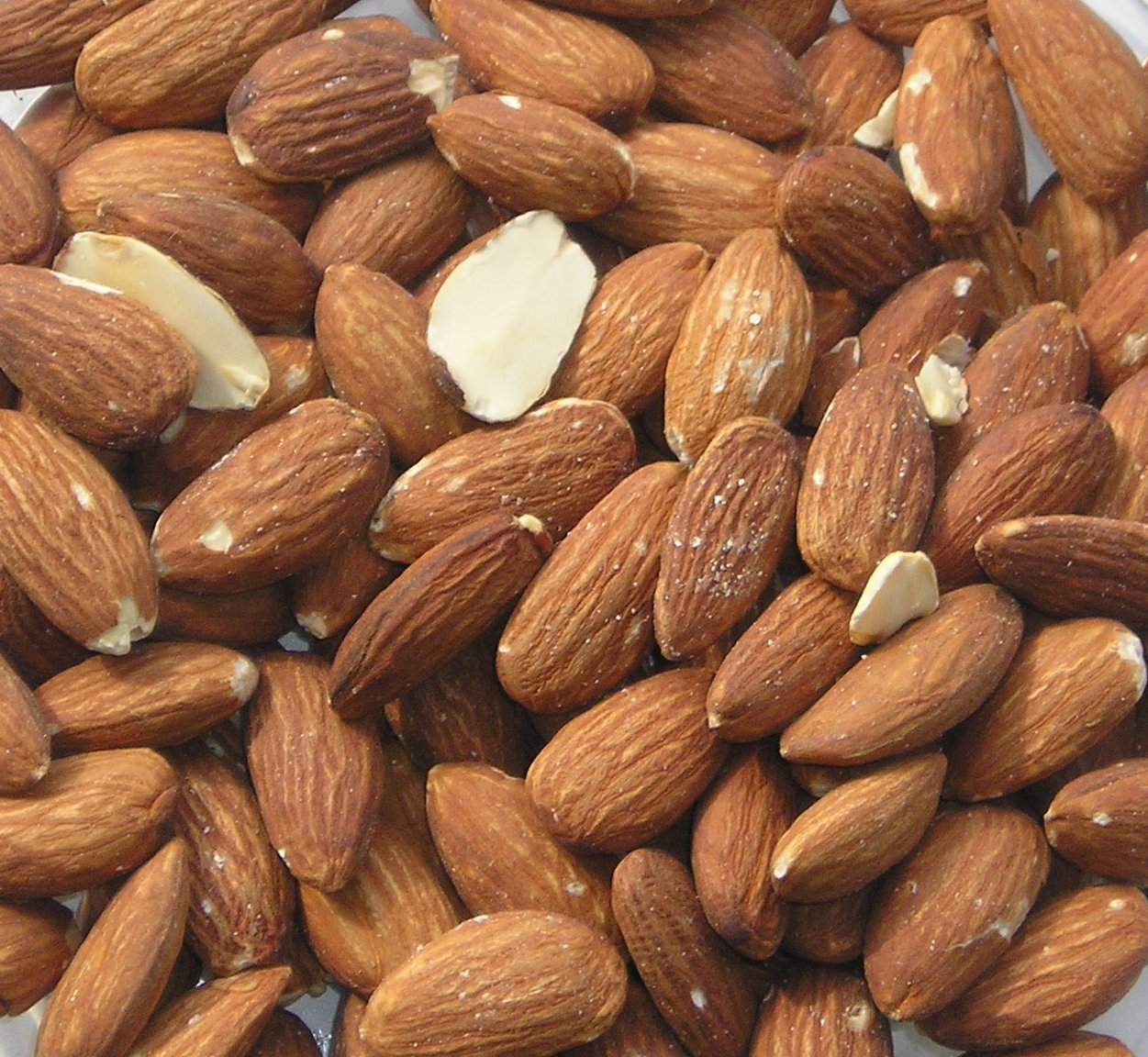
Photo by M.Verkerk and J.J.G.Claessens via Wikipedia.
Origin: Almonds are believed to have originated in the Levant, which includes present-day Syria, Lebanon, Israel, Palestine, Iran and parts of Turkey.
Nutrition: Protein, dietary fiber, vitamin E, magnesium and phosphorous.
Medicinal Value: Almonds contain phytochemicals that have antioxidant, anti-inflammatory, antiviral and antitumor properties. They also help regulate blood cholesterol and improve cognition.
Cashews
Anacardium occidentale
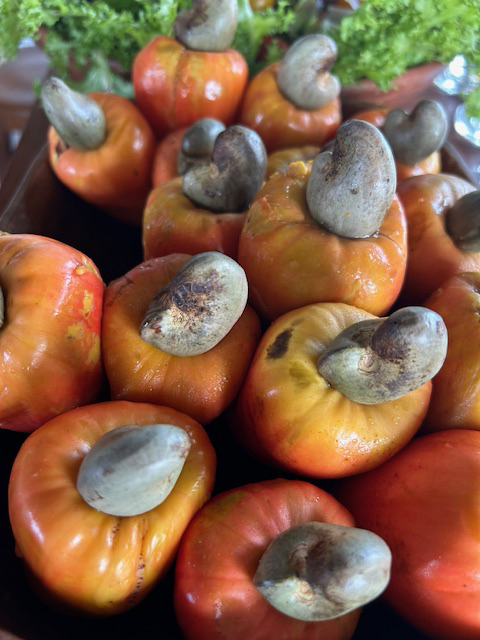
Photo courtesy of Karen Murray.
Origin: Northeastern Brazil
Nutrition: Cashews have the highest magnesium content per serving of any tree nut. And like most nuts, cashews are also a good source of dietary fiber, healthy fats, B vitamins and vitamin E.
Medicinal value: The antioxidants in cashews “mop up” free radicals and help reduce the risk of heart disease, cancer, type 2 diabetes, Parkinson’s disease, Alzheimer’s disease and multiple sclerosis. Cashew nuts have also been linked to reducing the symptoms of colitis and painful degenerative joint diseases, such as osteoarthritis.
Chestnuts
Castanea
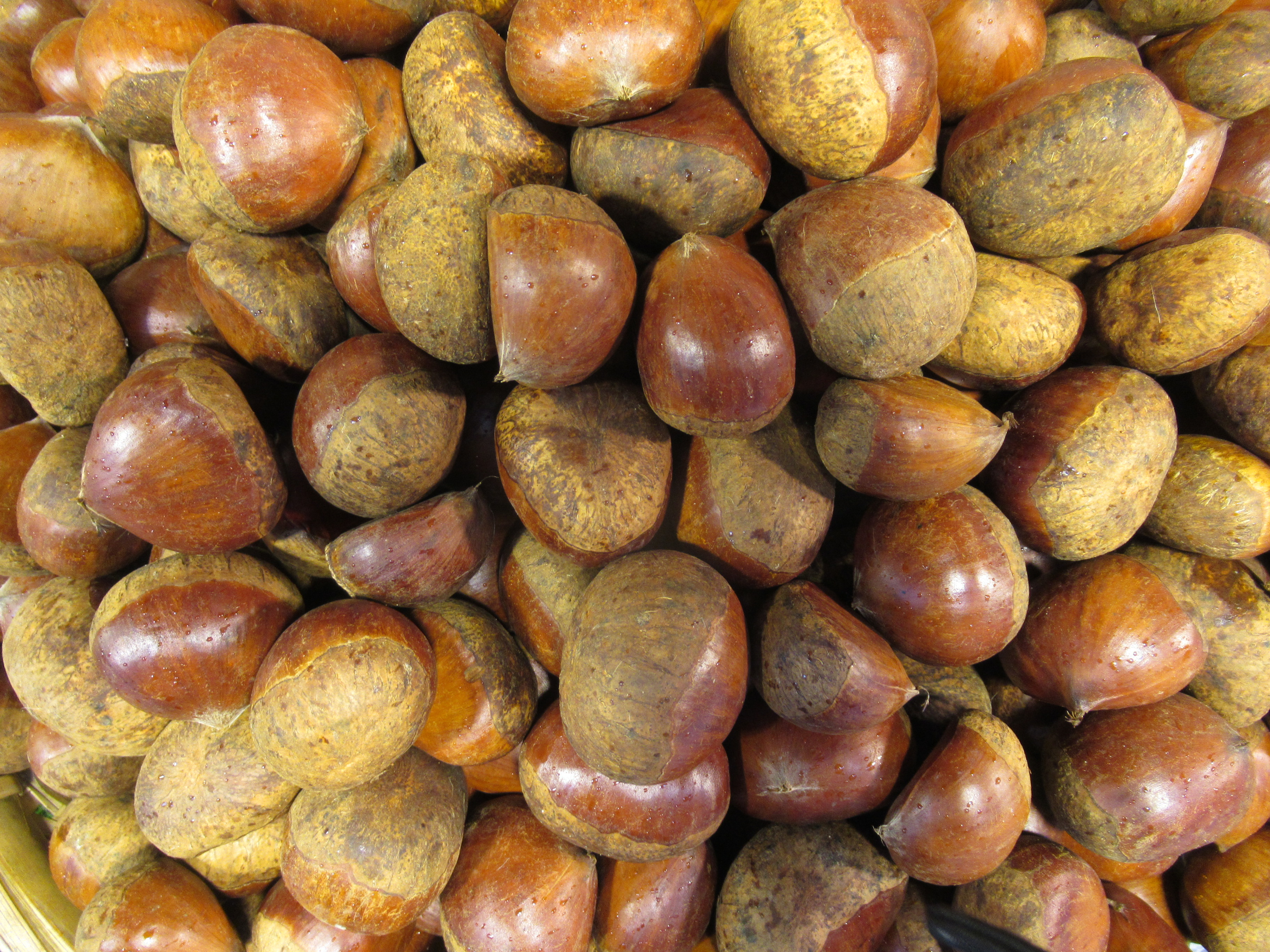
Origin: China; migrated to North America over 34 million years ago.
Nutrition: Dietary fiber and complex carbohydrates, which provide long-term energy. Chestnuts also contain potassium and several antioxidants (especially vitamin C and carotenoids) plus polyphenols such as gallic acid and tannins.
Medicinal Value: Nutrients and phytochemicals in chestnuts protect body cells from free radical damage and may help protect against chronic health problems, including heart disease, cancer and diabetes.
Macadamia nuts
Macadamia integrifolia
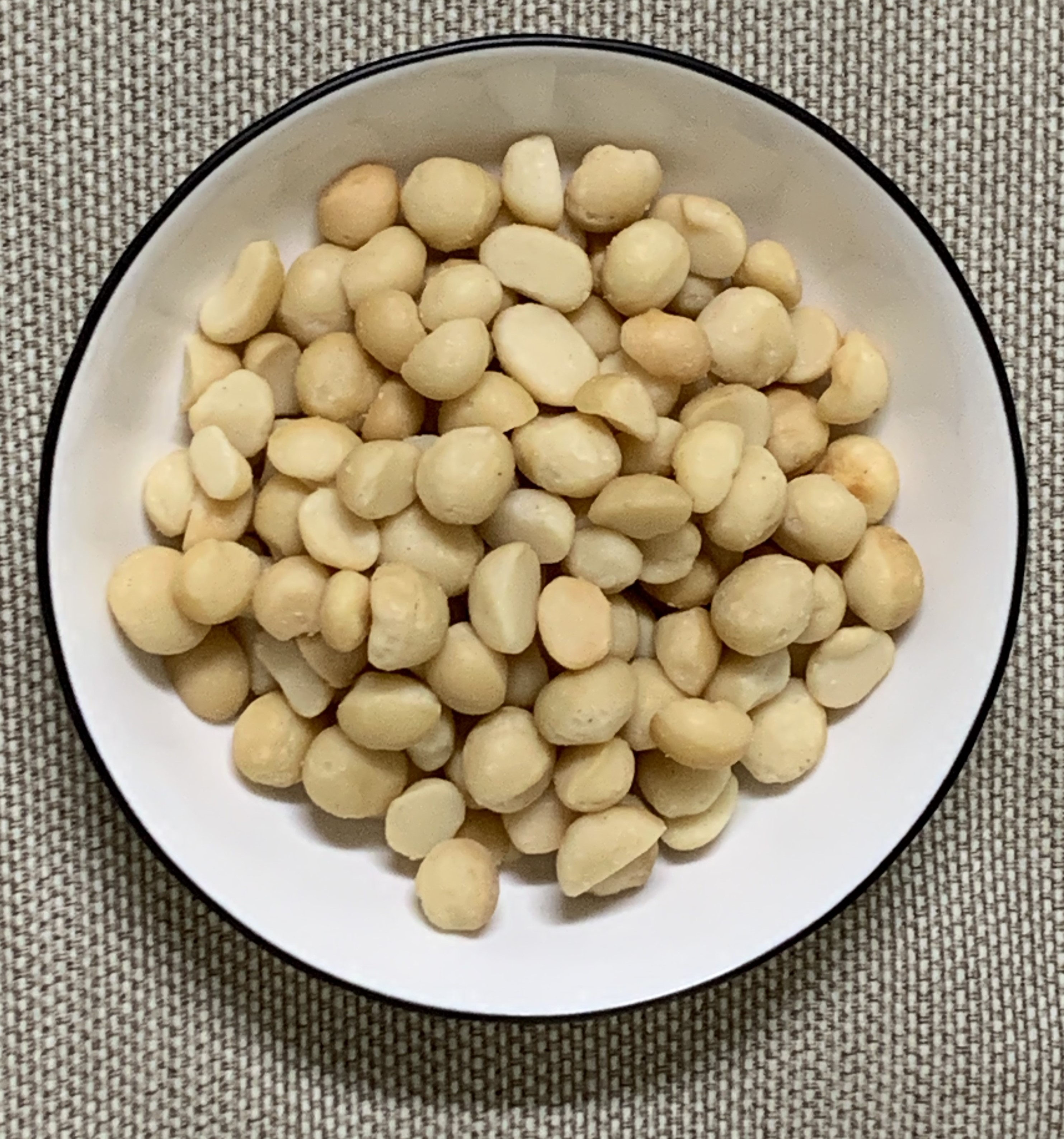
Origin: Australia. Early Aboriginal groups like the Budjilla people in Queensland used to feast on macadamia nuts – known as “kindal-kindal” and “boombera” - and used its oil as a base for liniment as well as face and body paint. Introduced to Europe in the 1850s, it was renamed to honor John Macadam, an Australian chemist and physician.
Nutrition: Protein, dietary fiber, manganese, thiamin, copper and monosaturated fat.
Medicinal value: Monounsaturated fats help reduce the risk of heart disease. Phytochemicals in macadamia have antioxidant, anti-inflammatory, antimicrobial, anti-cancer, and NAFLD [Non-alcoholic Fatty Liver Disease] prevention properties.
Peanuts
Arachis hypogeea
Technically a legume, but eaten as a nut.
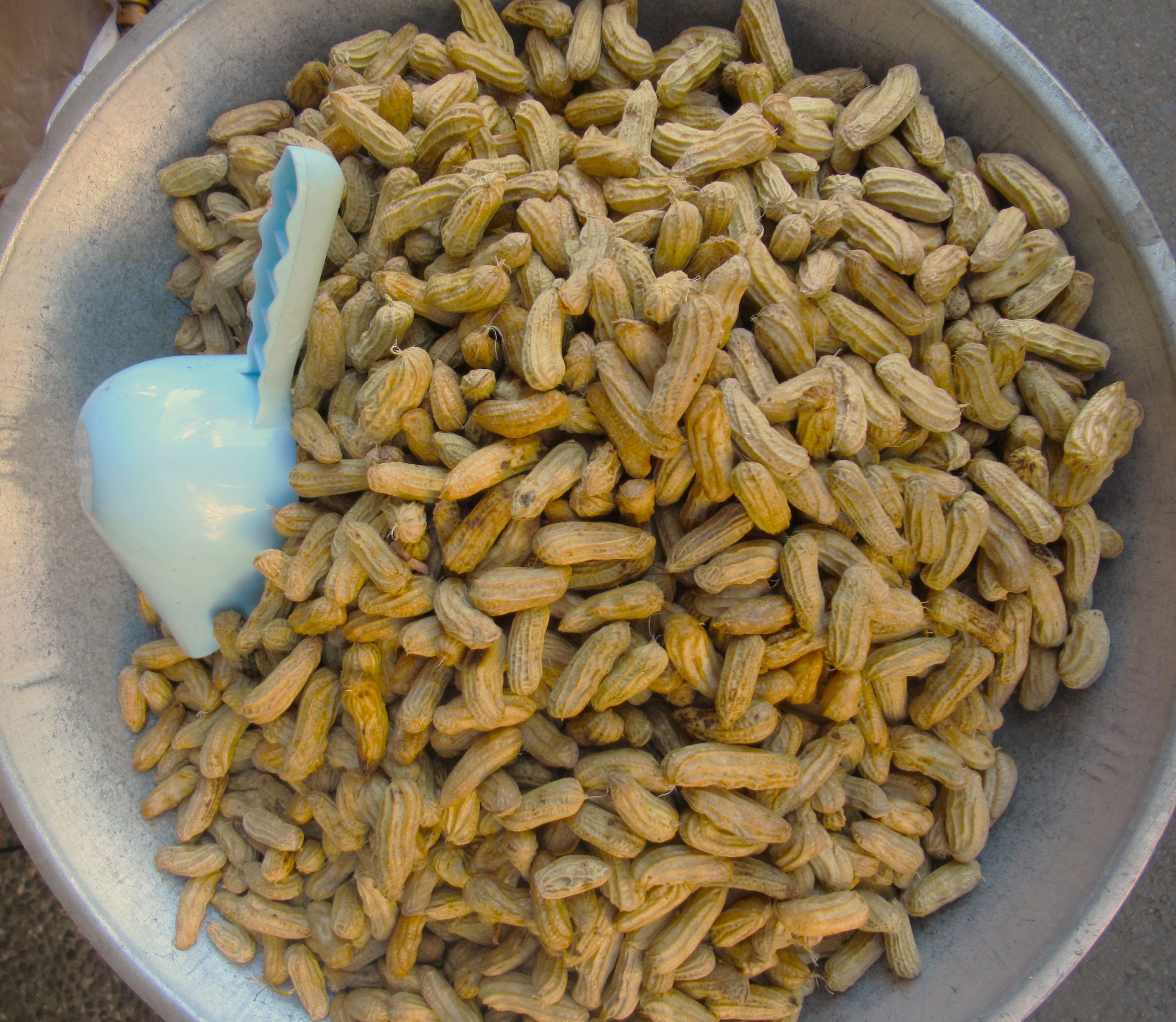
Origin: Coastal Peru.
Nutrition: Protein, dietary fiber, monounsaturated and polyunsaturated fats, vitamins B3, B6, E and folic acid, iron, magnesium and zinc) calcium, iron and potassium. They also contain a variety of antioxidants.
Medicinal value: Monounsaturated and polyunsaturated fats that help decrease “bad” LDL cholesterol and increase “good” HDL cholesterol. A variety of bioactive compounds (including polyphenols, phytosterols and antioxidants) that help protect against heart disease, inflammation and cancer.
Pistachio
Pistacia vera
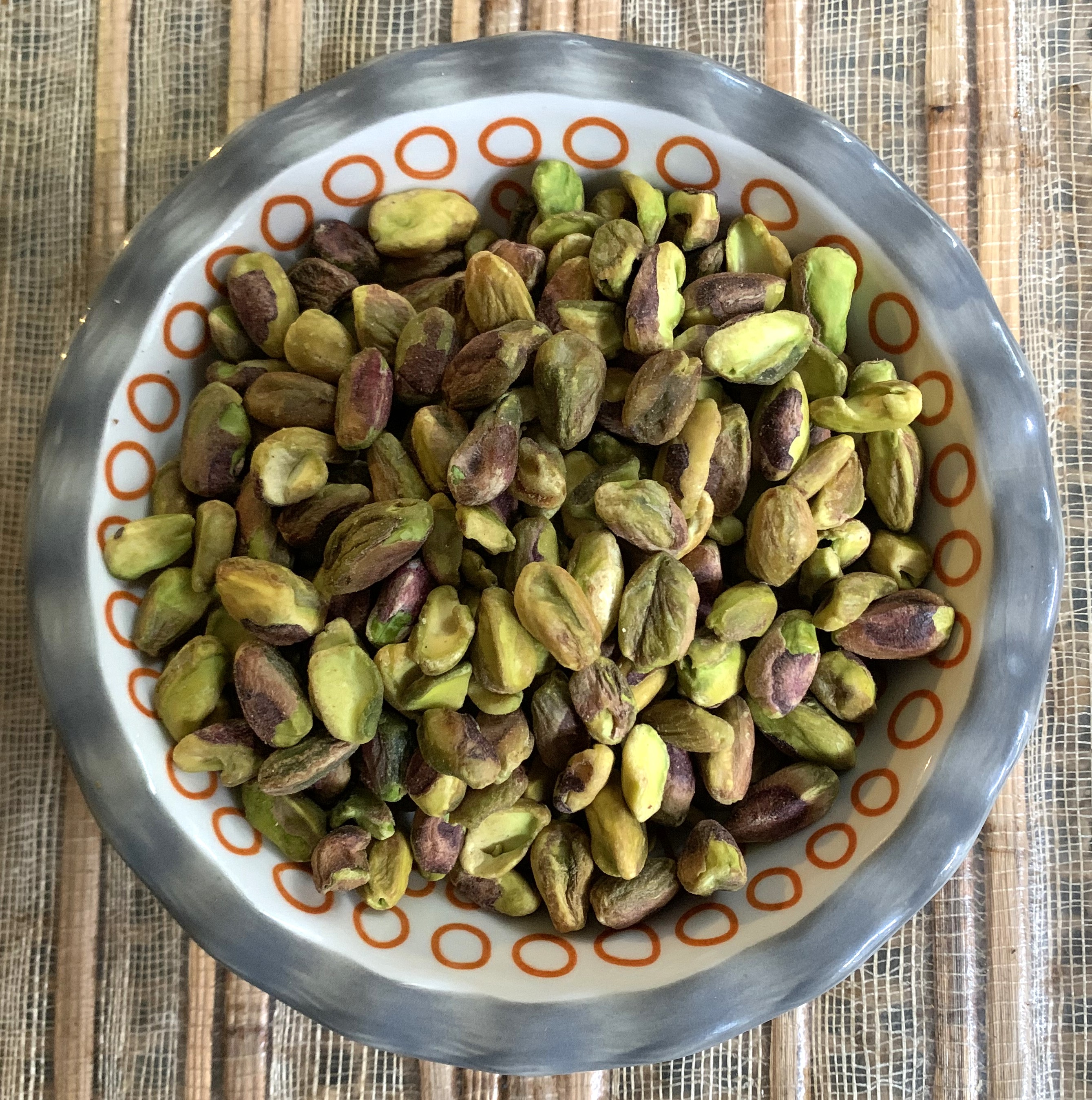
Origin: Western Asia and Asia Minor, with a range that extended from present-day Syria to the Caucasus and Afghanistan.
Nutrition: Protein, dietary fiber, vitamin B6 and essential minerals like potassium. Pistachios are also rich in vitamin E as well as monounsaturated and polyunsaturated fats.
Medicinal value: Monounsaturated and polyunsaturated fats help decrease “bad” LDL cholesterol and increase “good” HDL cholesterol. In addition to helping reduce free radical damage in general, the antioxidants found in pistachios have been linked to a decreased risk of developing both cancer and macular degeneration.
Sunflower Seeds
Helianthus annuus
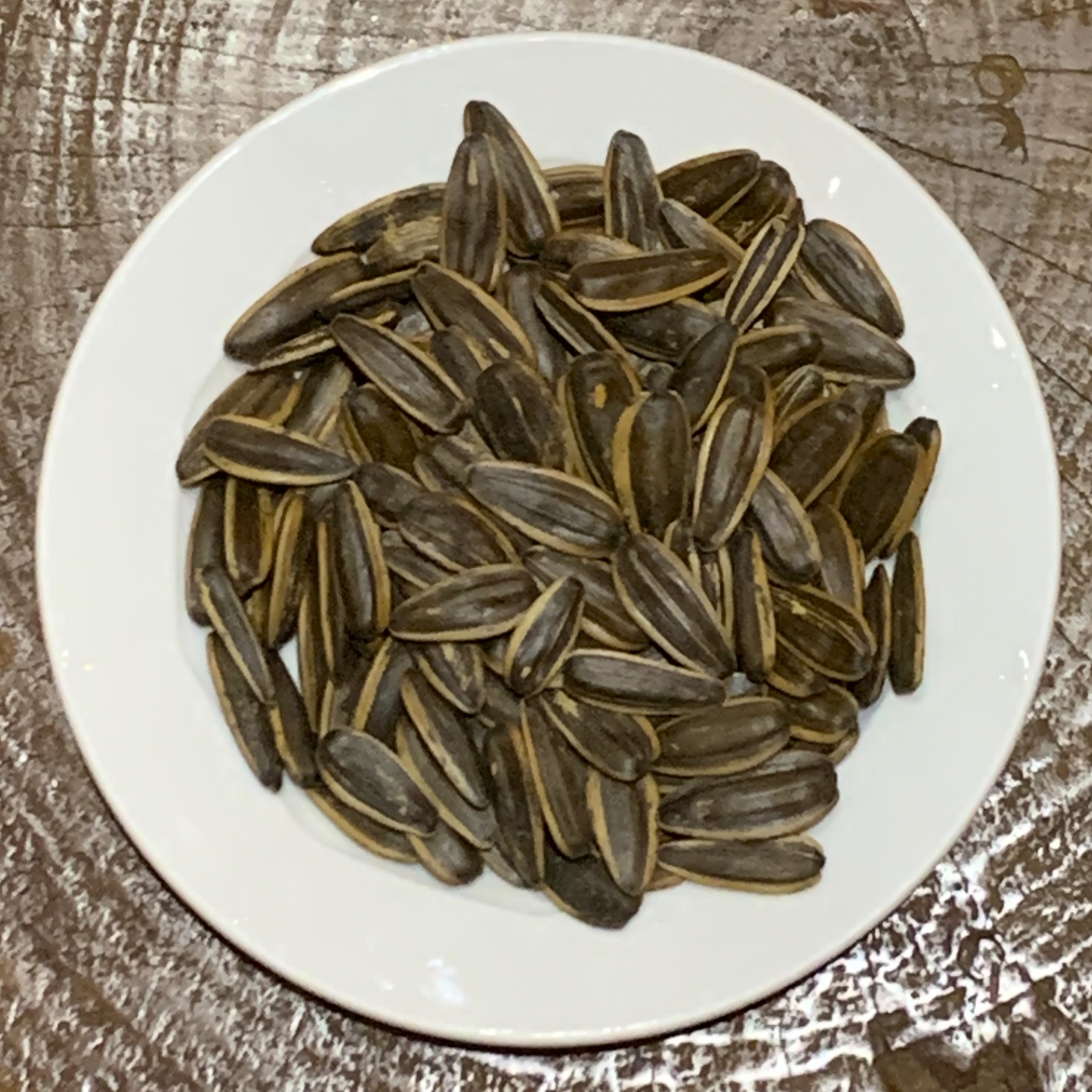
Origin: Northern plains of the United States, Southern plains of Canada.
Nutrition: Sunflower seeds are high in protein and dietary fiber. They also contain vitamins E, B1, and B6; plus iron, selenium, manganese and phosphorous.
Medicinal value: Helps support healthy bones and joints, manage blood pressure, help relieve anxiety and depression, reduce blood sugar levels.
Walnuts
Juglandaceae
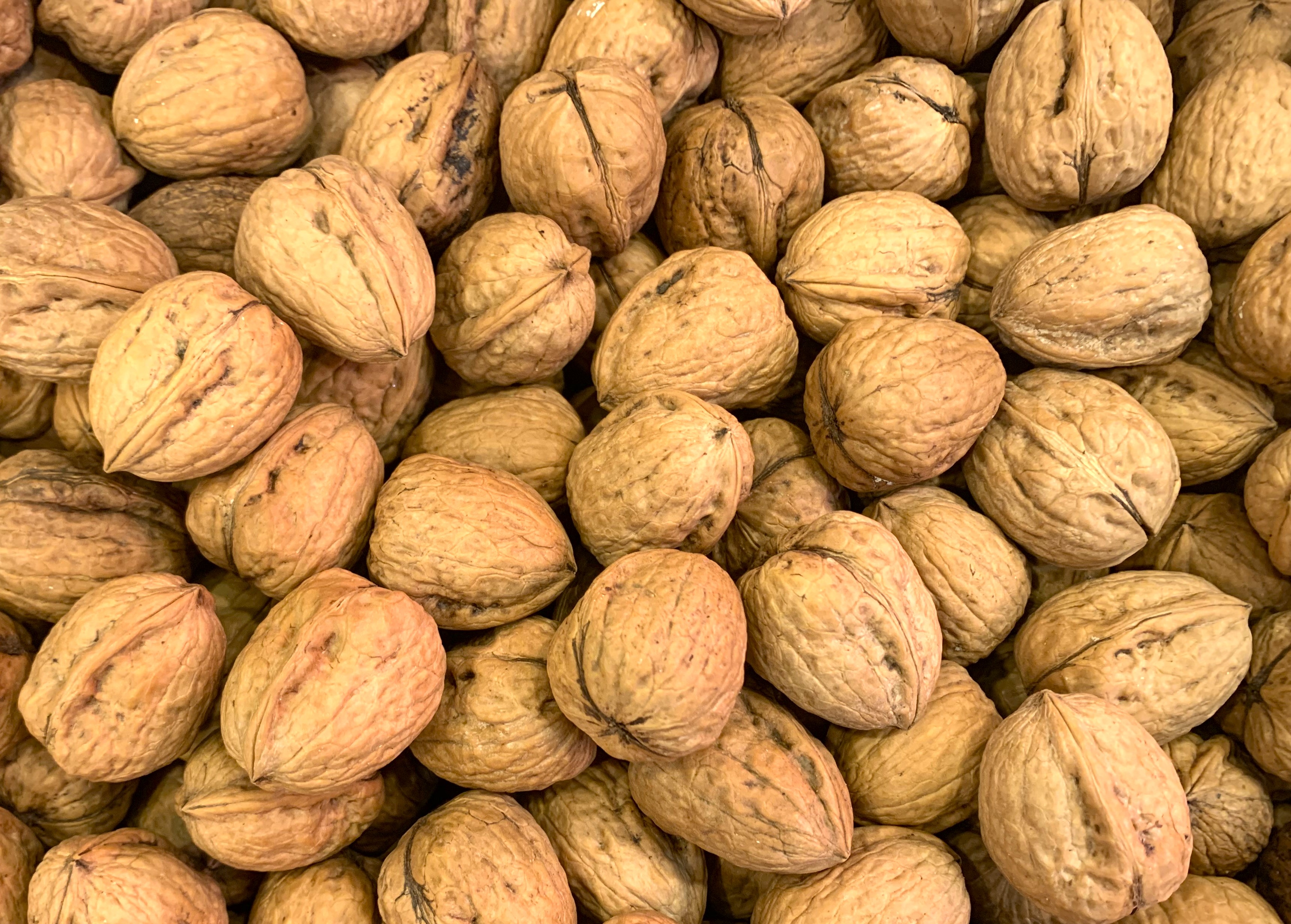
Origin: Central Europe, millions of years ago.
Nutrition: Walnuts contain protein, dietary fiber, omega-3 fatty acids and vitamin E.
Medicinal value: Phytochemicals found in walnuts help regulate cholesterol levels, encourage the growth of healthy gut bacteria, help prevent cancer, improve cognition and may prevent and treat Alzheimer's disease.
