CULINARY HERBS AND SPICES
Culinary herbs are the fresh or dried leaves of special varieties of vegetables used as food flavorings. By contrast, spices come from the root, stem, seed, fruit, flower or bark of a plant. They are usually dried and ground. Although we generally consume herbs and spices in small amounts, they often have higher concentrations of good-for-you phytochemicals than other plant foods.
Basil
Ocimum basilicum
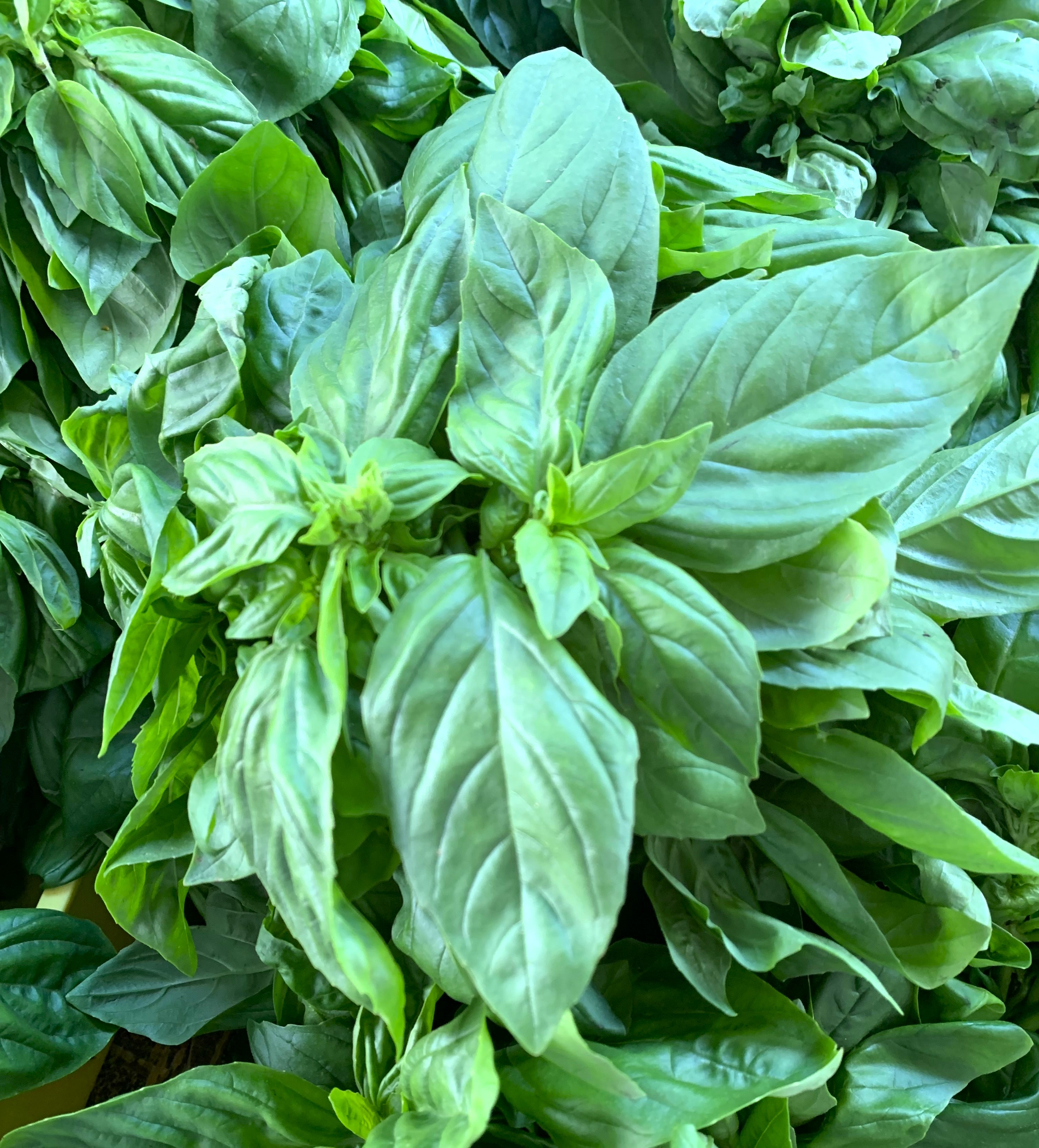
Origin: Basil originated in tropical and subtropical areas of South and Southeast Asia, including India, Pakistan and Thailand. It has been cultivated for at least 5000 years. Basil's most famous use is in making pesto, a popular Italian paste consisting of basil leaves, olive oil, garlic and pine nuts.
Nutrition: Basil contains generous amounts omega-3 fatty acids, folate and vitamins A, C and K. It also is rich in essential minerals like manganese, copper, iron, calcium and magnesium.
Medicinal Value: Recent biochemical analysis has found that the antioxidants and other phytochemicals in basil have powerful anti-inflammatory and antibacterial properties that can support skin health, alleviate stress, improve liver function, relieve indigestion, and help the body maintain optimum blood pressure levels. Basil is also believed to protect against age-related macular degeneration and other eye diseases.
Black Pepper
Piper negrum
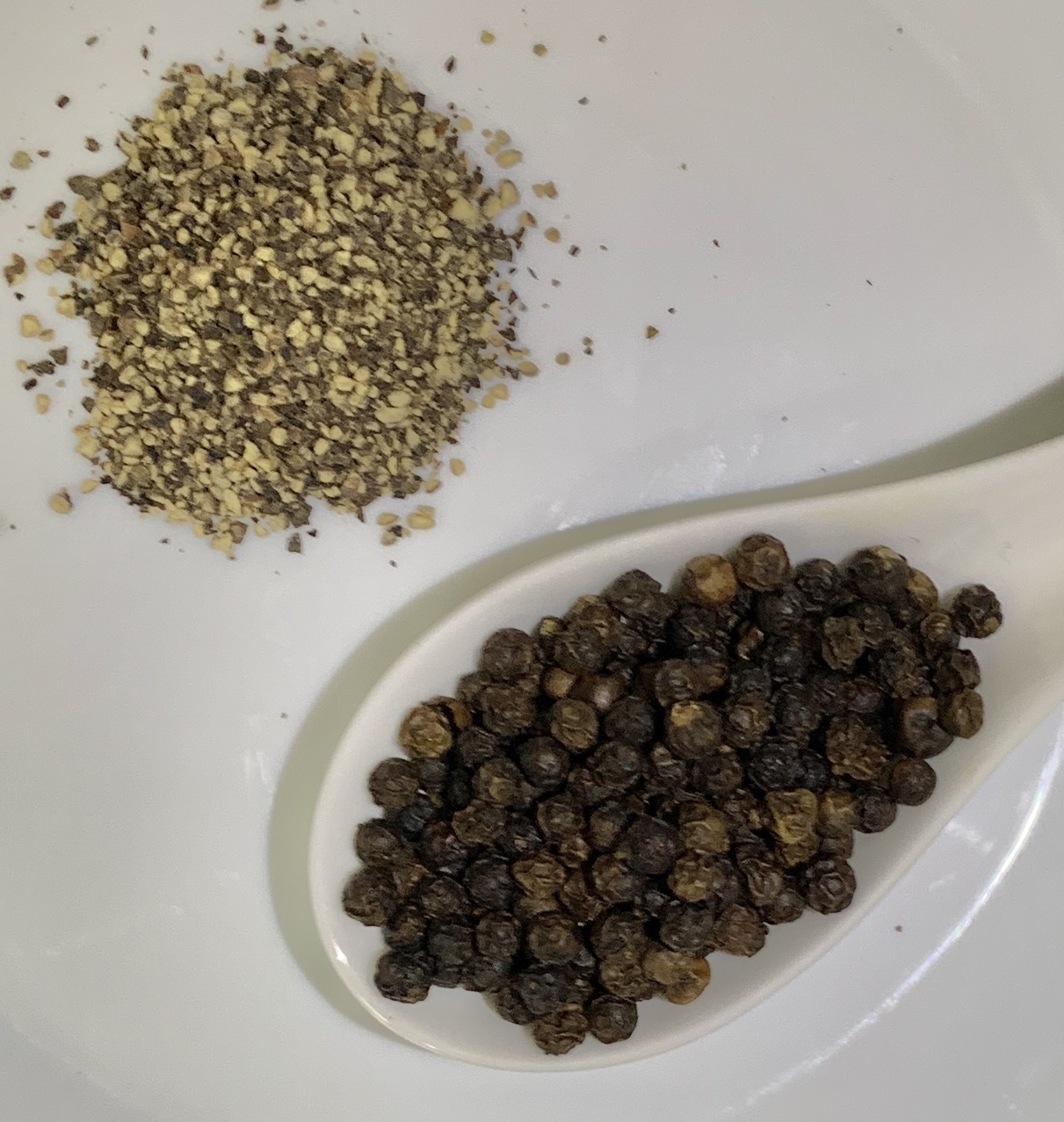
Origin: Black pepper traces its origin to what is now Kerala State in southern India. It has been used as both a spice and medicinal plant in India since prehistoric times.
Nutrition: In addition to dietary fiber, black pepper is a good source of manganese, iron, potassium, vitamin C and vitamin K. One of the most beneficial effects of black pepper is that it contains piperine, a chemical that not only provides pepper’s distinctive taste, but enhances the bioavailability of other foods.
Medicinal value: Black pepper has been found to be a good source of antioxidants, and has proven anti-inflammatory properties. It is also considered a healthy substitute for salt to enhance the flavor of foods. Black pepper is being studied for its ability to stimulate the pathways of the nervous system in the brain, boosting neurological health and reducing cognitive malfunction and memory impairment.
Chives
Allium schoenoprasum
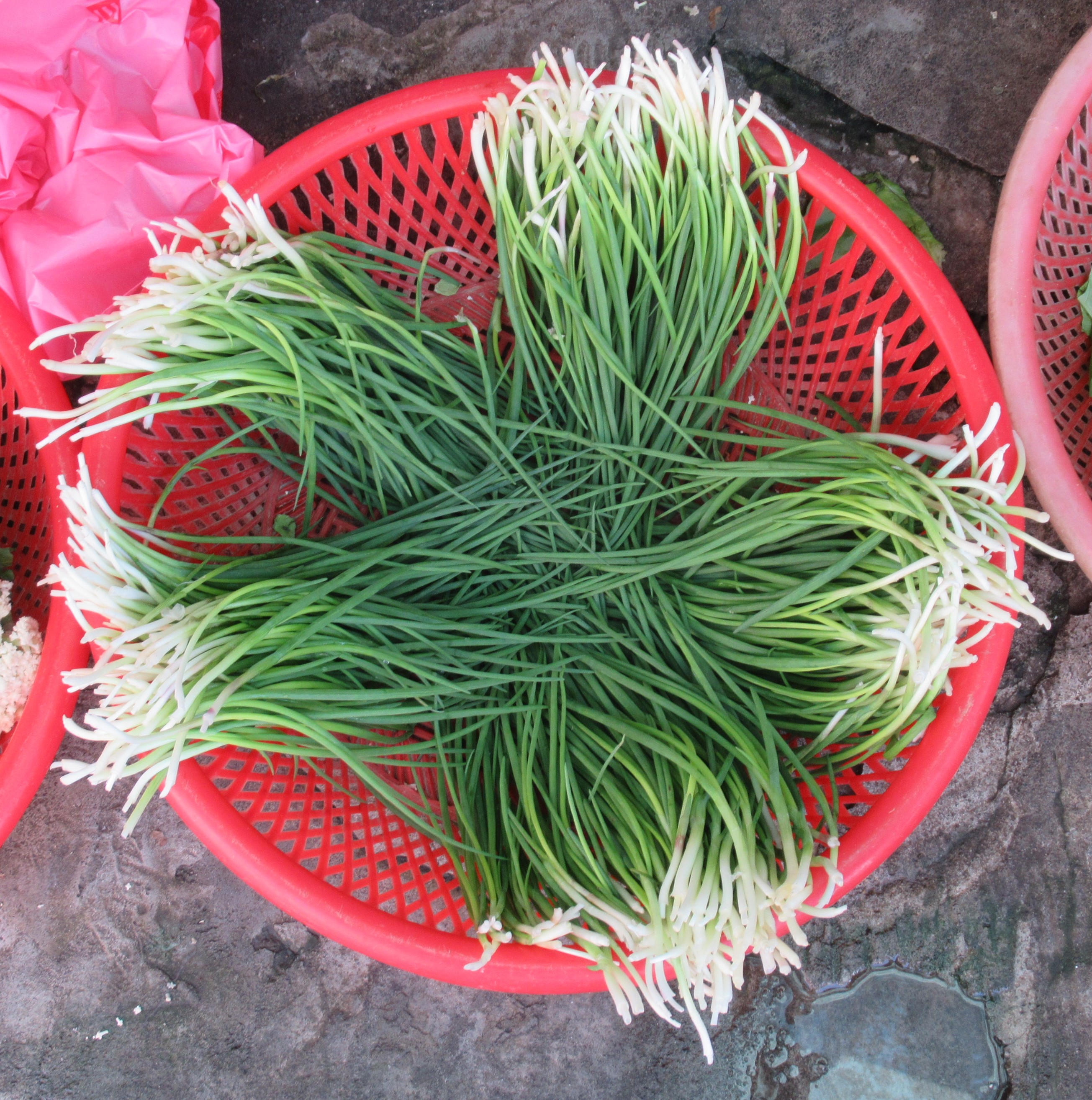
Origin: Archaeological evidence suggests that chives have been cultivated in China for at least 4000 years, and were possibly introduced to Europe by the explorer Marco Polo in the late 1200s CE. There is some evidence that chives are also indigenous to Siberia and Greece.
Nutrition: Chives provide modest amounts of dietary fiber, and contain generous amounts of Vitamin K, which helps strengthen bones. It has also been found to limit damage to neurons, a major feature of Alzheimer’s disease.
Medicinal Value: Recent scientific evaluation of chives by pharmacologists at Punjabi University in India has identified its potential medicinal use as an anti-inflammatory, anticancer, antioxidant, anthelmintic [expels intestinal worms] and antihypertensive agent. In Traditional Chinese Medicine (TCM), chives are considered to be a powerful aphrodesiac. In order to remain pure, Buddhist monks are not allowed to consume chives.
Cinnamon
Cinnamomum verum
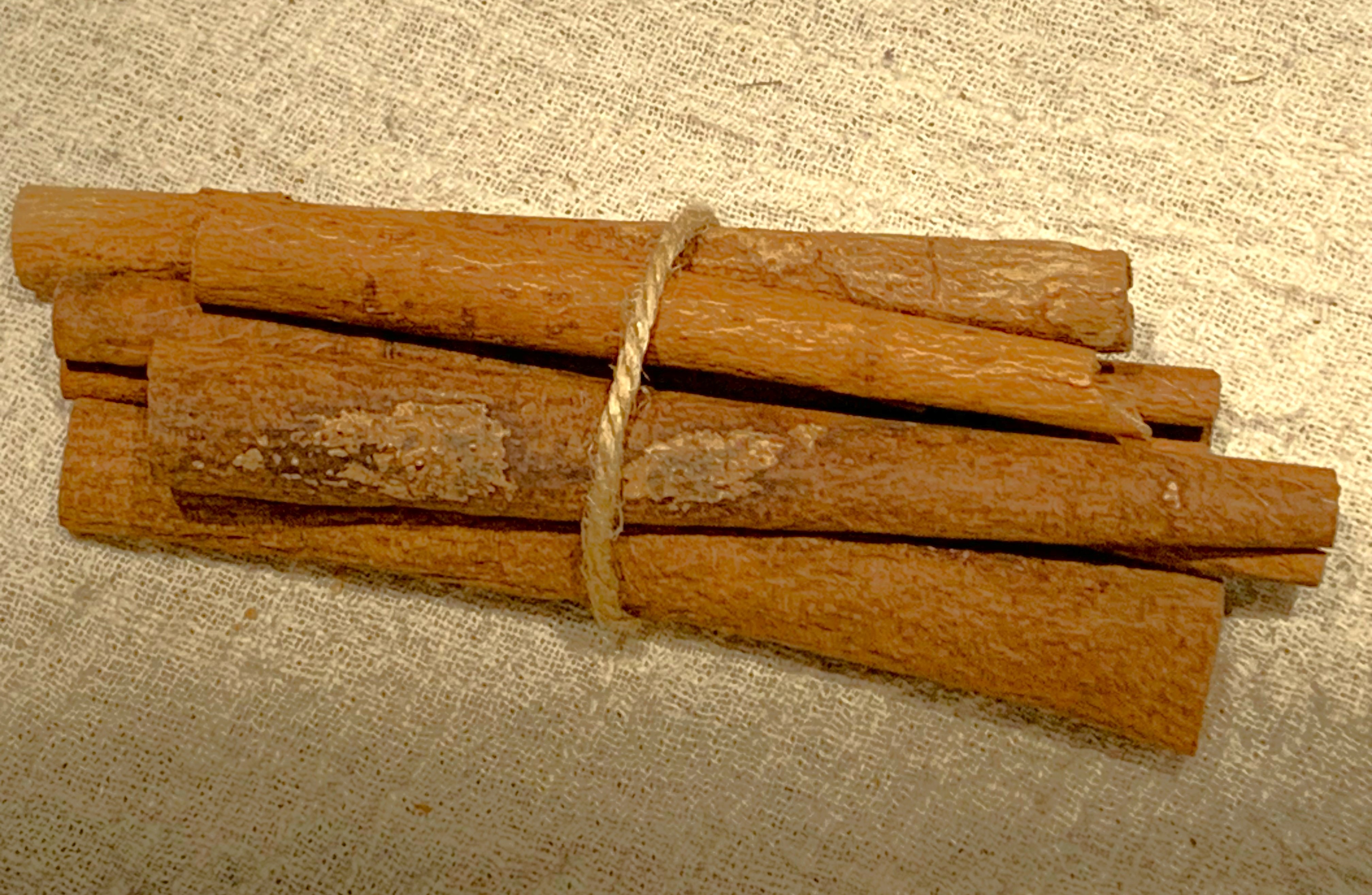
Origin: Cinnamon is indigenous to Sri Lanka and southern India but also distributed in many Asian, Caribbean, Australia and African countries. Human use of cinnamon has been documented back to almost 2800 BCE.
Nutrition: Cinnamon is a good source of dietary fiber as well as a wide range of essential vitamins and minerals, including B-vitamins, vitamin A, C, K and beta carotene; as well as calcium, iron, magnesium, manganese and phosphorous.
Medicinal Value: Recent scientific research has discovered two important phytochemicals that have powerful medicinal properties: cinnamaldehyde and trans-cinnamaldehyde (Cin), which are present in the essential oil. They not only are linked to the pleasant fragrance of cinnamon, but also contribute to the following biological activities: antioxidant, anti-inflammatory, antidiabetic, antimicrobial, anticancer, lipid-lowering. In addition, cinnamon is made up of cardiovascular-disease-lowering compounds that are also able to improve colon health, thereby reducing the risk of colon cancer. Cinnamon has also been found to work against neurological disorders, such as Parkinson's and Alzheimer's diseases.
Coriander / Cilantro
Coriandrum sativum
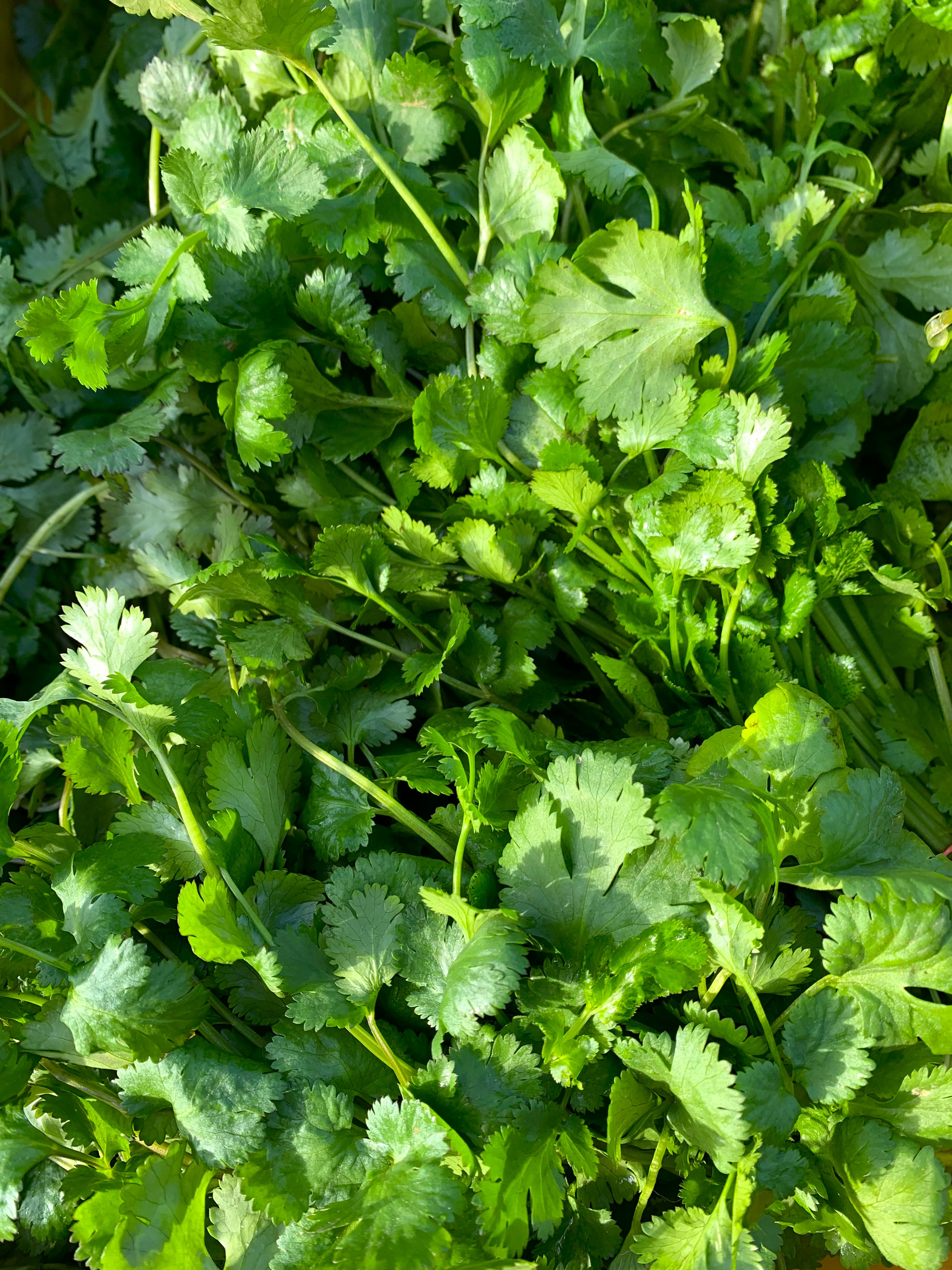
Fresh cilantro.
Name: Many people are confused about the difference between cilantro and coriander. Coriander usually refers to the whole plant or only the seeds, which are usually ground and used as a spice. Cilantro typically refers to the leaves and stalk of the plant, which are often used fresh or dried. These names are often used interchangeably.
Origin: Coriander is native to the eastern Mediterranean. Coriander seeds that date back 8000 years have been found in caves in Israel; the plant appears to have been cultivated in Greece since at least 6000 BCE.
Nutrition: The plant contains high amounts of vitamins A, B2 (riboflavin), folate, vitamin C and especially vitamin K.
Medicinal value: Coriander seeds contain essential oils that have been shown to have antibacterial effects. The seeds also contain phytochemicals that may lower blood pressure by causing blood vessels to dilate. Several studies have shown that consuming cilantro on a regular basis may reduce symptoms of neurological diseases like Alzheimer’s and Parkinson’s.
Oregano
Origanum vulgare
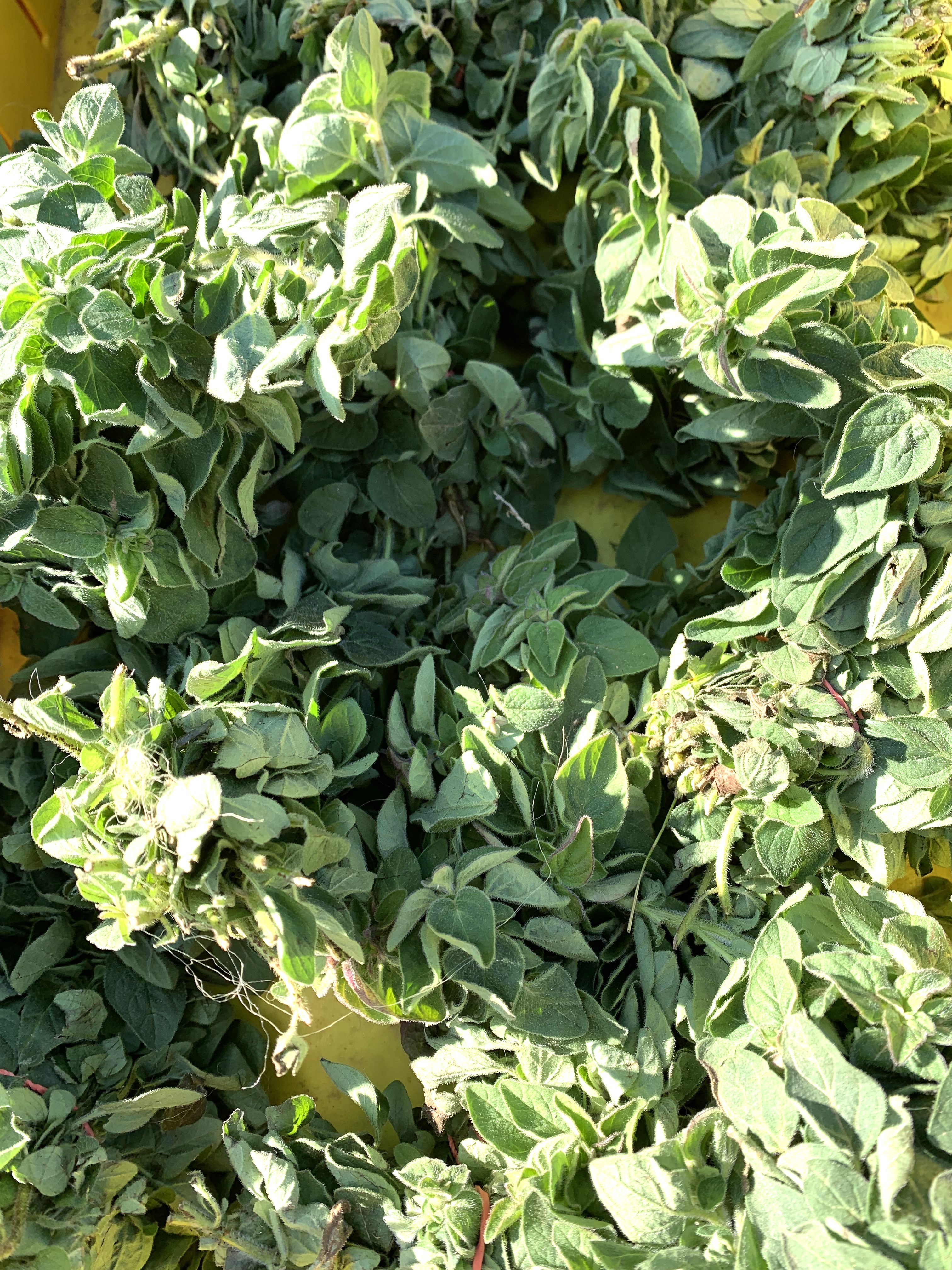
Origin: Oregano is an herb that appears to have originated in two separate parts of the world: they include the Mediterranean variety (Origanum vulgare) and the Mexican variety (Lippia Graveolens). Both have traditionally been harvested in the wild.
Nutrition: Although oregano contains a variety of vitamins and minerals (including vitamins A, C and K; potassium, iron and calcium), we use oregano in such small amounts that its nutritional impact is small.
Medicinal Value: Oregano has been found to have antioxidant, anti-inflammatory, antimicrobial and neuroprotective properties. A recent study showed that taking oregano as a dietary supplement for three months can reduce LDL (“bad”) cholesterol while increase levels of HDL (“good”) cholesterol. Another study showed that taking oil of oregano for six weeks killed intestinal parasites. Scientists are also exploring oregano’s role in cancer prevention, and for treating diseases like diabetes and depression.
Parsley
Petroselinum Crispumcomes
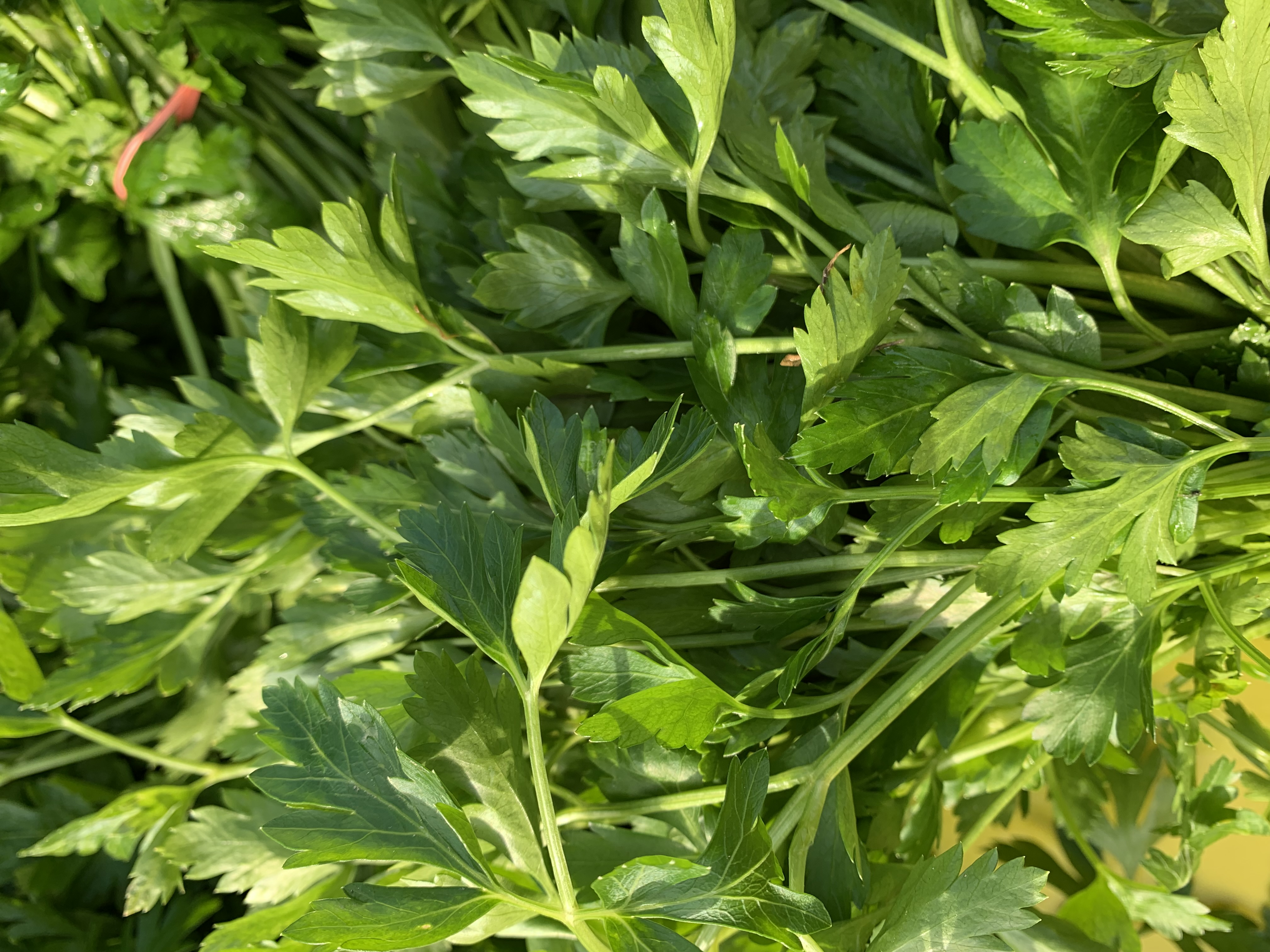
Origin: Parsley was first discovered growing on Greece’s rocky hillsides thousands of years ago. Greek legend tells us that the herb grew up from the place where the blood of young Opheltes was spilled when he was bitten by a serpent.
Nutrition: Parsley is a rich source of vitamins A, C, K and folate, and is a good source of calcium, potassium and magnesium.
Medicinal Value: Although parsley has been used as a medicinal herb for centuries, recent scientific findings have discovered that parsley possesses antioxidant, liver protective, brain protective, anti-diabetic, analgesic, spasmolytic [relieves spasms or convulsions], immunosuppressant, anti-platelet, gastroprotective, cytoprotective [reduces stomach acid], laxative, estrogenic [enhances fertility], diuretic, hypotensive [reduces blood pressure], antibacterial and antifungal activities.
Peppermint
Mentha
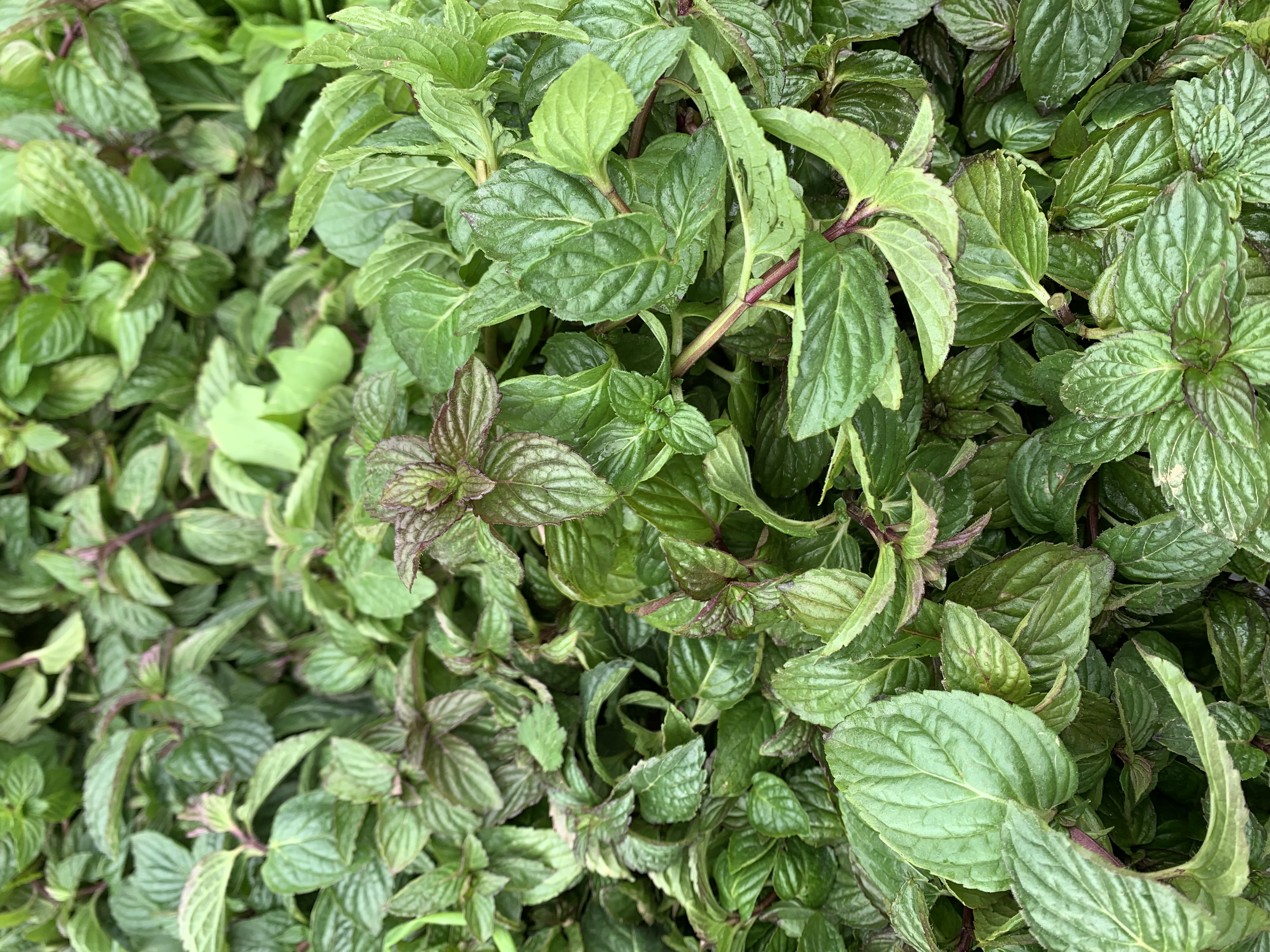
Origin: Peppermint can trace its ancestral roots to the eastern Mediterranean region thousands of years ago. Mint was highly regarded by the ancient Egyptians, and archaeologists have found dried mint leaves in Egyptian tombs.
Nutrition: Fresh mint leaves contain only trace amounts of calories, protein, fat and carbohydrates. It also provides small amounts of dietary fiber, vitamins A and C, as well as calcium and iron.
Medicinal value: Peppermint has antiseptic, anti-parasitic, antiviral and sweat-inducing properties. Peppermint oil relieves body aches and pains with its anti-spasmodic properties. There is growing interest in the medicinal value of mint, especially its antibacterial properties, stress reducing capabilities and its ability to fight cancerous tumor cells.
Thyme
Thymus vulgaris
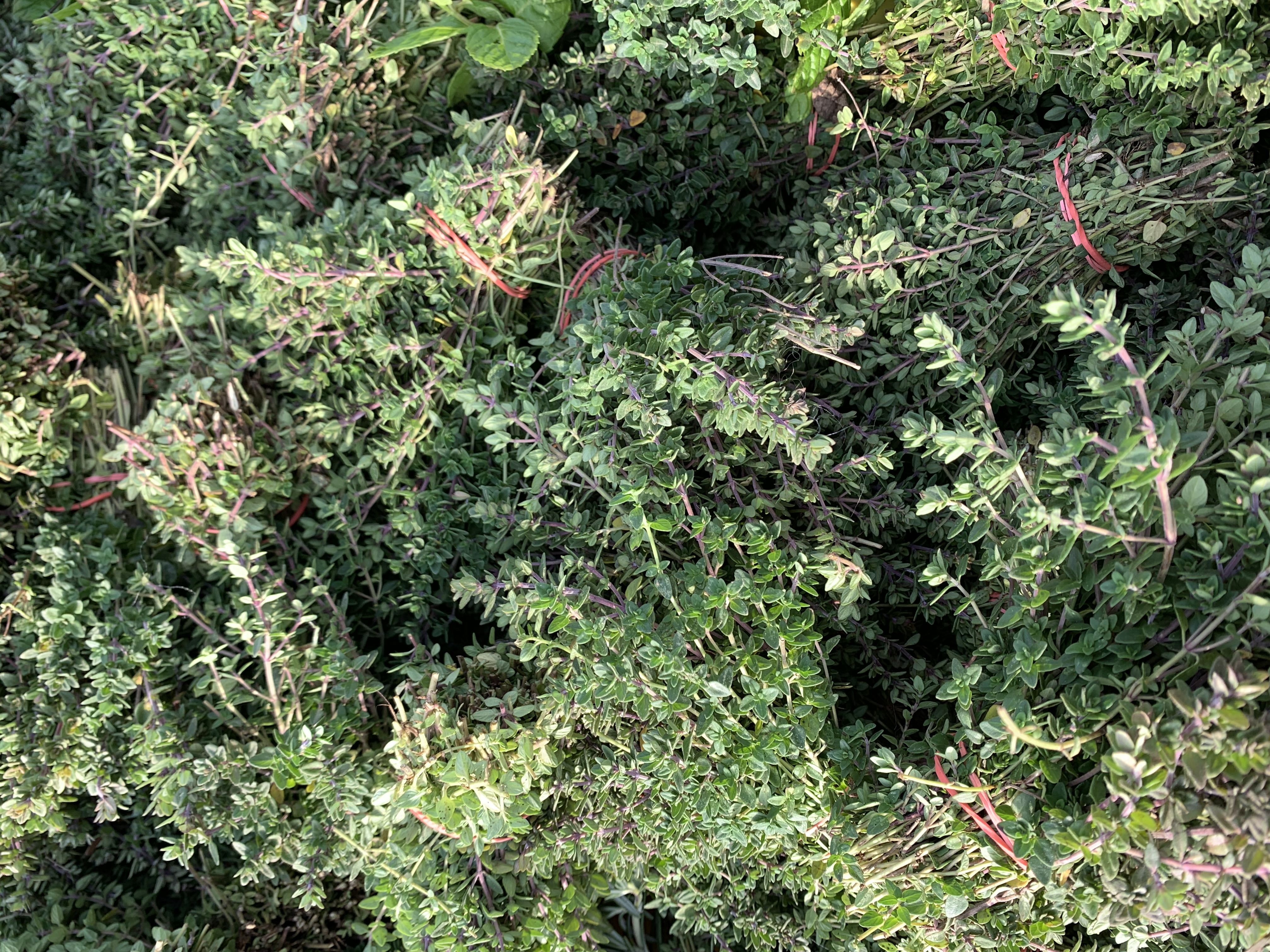
Origin: Thyme is native to southwestern Europe and southeastern Italy, and quickly spread throughout the Mediterranean basin. It has been valued as both a culinary herb and medicinal plant for thousands of years.
Nutrition: Thyme contains dietary fiber and vitamins A, B6 and C. It is also a good source of minerals, especially potassium, calcium, iron, manganese, magnesium and selenium.
Medicinal Value: The antimicrobial activity of thyme has been shown to kill fungi and bacteria, including Staphylococci, Streptococci, Pneumococci, Enterococci, Candida Albicans and Corinebacteria. Recent studies have shown that thyme promotes the death of cancer cells and thus may be helpful to fight certain types of cancer, including cancers of the breast and colon.
