GRAINS
A grain is a small, hard, dry fruit – with or without an attached hull layer – that is harvested for human or animal consumption. Whole grains (or foods made from them) contain all the essential parts and naturally-occurring nutrients of the entire grain seed in their original proportions. Grains have been a staple food for humans for thousands of years, and include wheat, rye, oats, barley and rice. Corn is considered as both a vegetable and a grain.
Amaranth
Amaranthus hypochondiacus
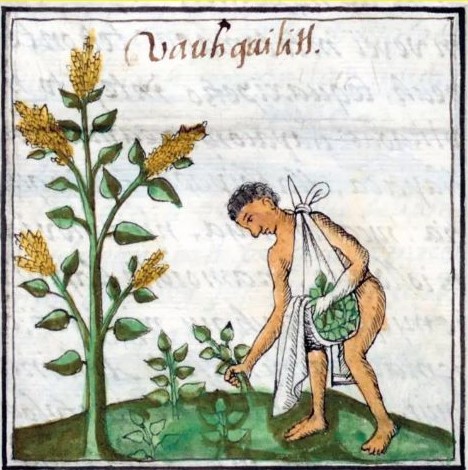
Origin: Amaranth is believed to have grown wild in what is now northern Argentina, and was domesticated more than 6000 years ago. It later became a major crop of the early Aztecs and was considered a "food of immortality."
Nutrition: Amaranth is one of the few plant foods that is a complate protein, containing all eight essential amino acids. It also contains vitamin C and vitamin B6, plus a variety of minerals, including magnesium and selenium.
Medicinal value: Amaranth is a grain rich in phytochemicals that have antibacterial, anti-inflammatory and anti-cancer properties. It is also being studied to verify its ability to lower blood sugar and manage blood sugar levels,
Barley
Hordeum vulgare
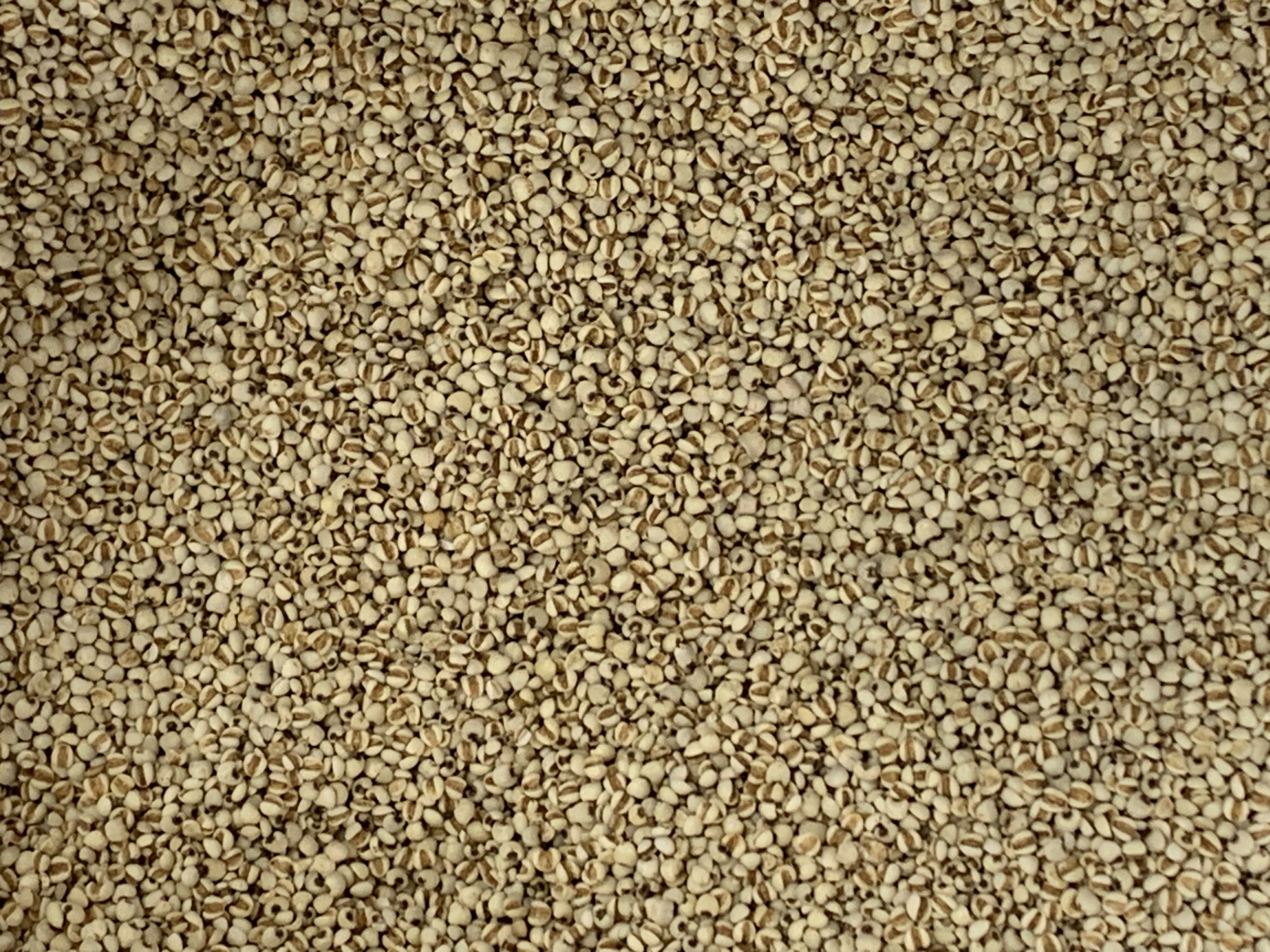
Chinese barley
Origin: Archealogical evidence has led researchers to believe that barley originated in the Nile River Delta some 17,000 years ago.
Nutrition: In addition to protein, barley is rich in beta-glucan (β-glucan), a type of dietary fiber that has been linked to weight reduction and lower blood pressure. It is also a good source of B-vitamins and minerals, especially iron, phosphorous and selenium.
Medicinal Value: Eating barlety on a regular basis may reduce LDL ("bad") cholesterol levels, and protect against heart disease and stroke. It also has antioxidant, anti-tumor, antiviral and anti-bacterial properties that can help protect the body against chronic diseases like heart disease, cancer and diabetes.
Buckwheat
Fagopyrum esculentum
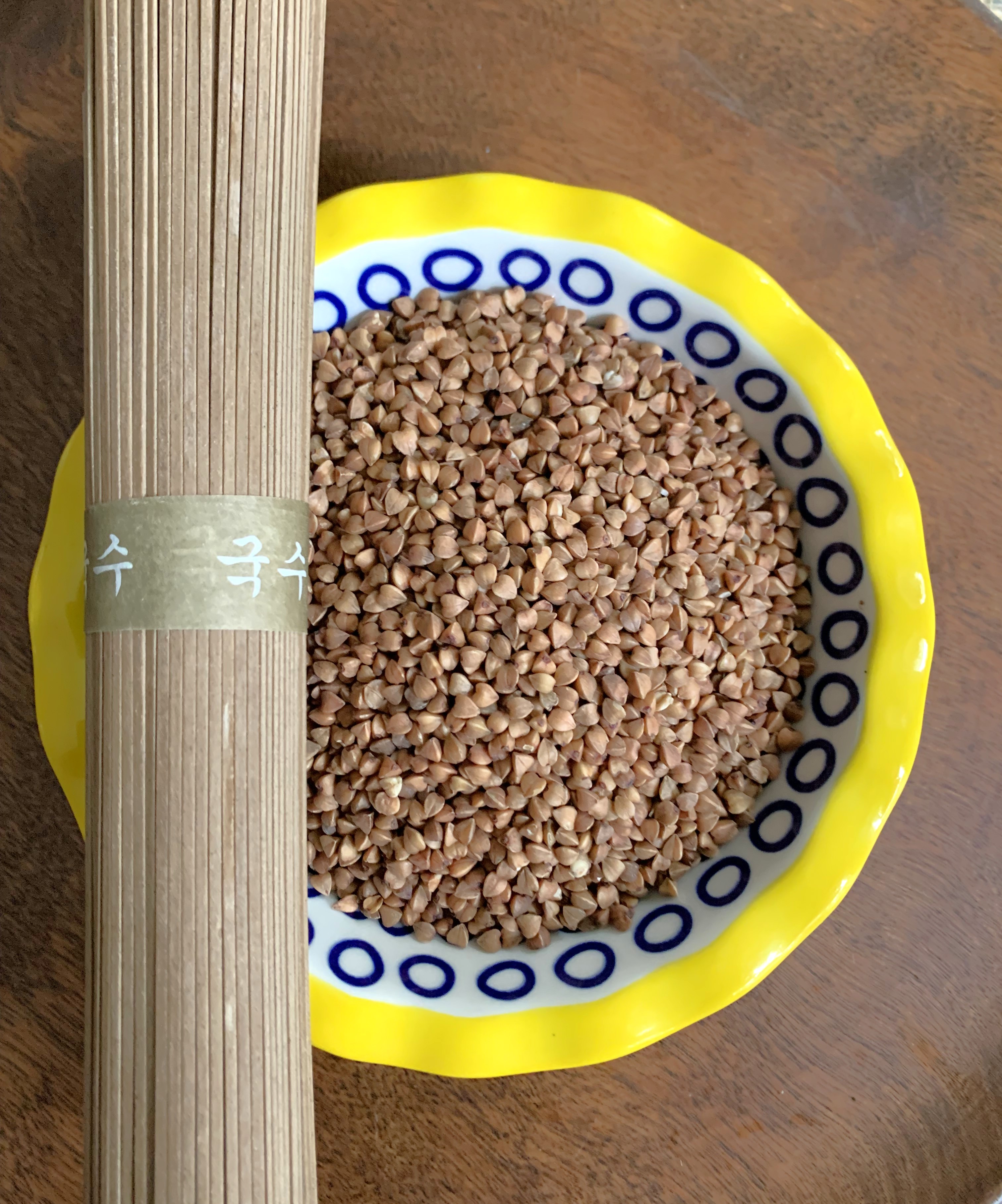
Dry soba noodles and uncooked buckwheat groats (kasha).
Origin: Archaeologists have dated the cultivation of buckwheat to have begun as early as 2600 BCE in northern China, specifically Manchuria. It has become a favorite "comfort" food in Russia and Ukraine, and is the main component of Japanese soba noodles.
Nutrition: Buckwheat's amino acid composition that is nutritionally superior to all other cereals (including oats) and is particularly rich in the amino acid lysine. Buckwheat is also a good source of iron and potassium.
Medicinal value: Eating buckwheat on a regular basis has been found to offer protection against several chronic diseases, including hypertension, obesity, cardiovascular diseases and gallstone formation.
Oats
Avena sativa
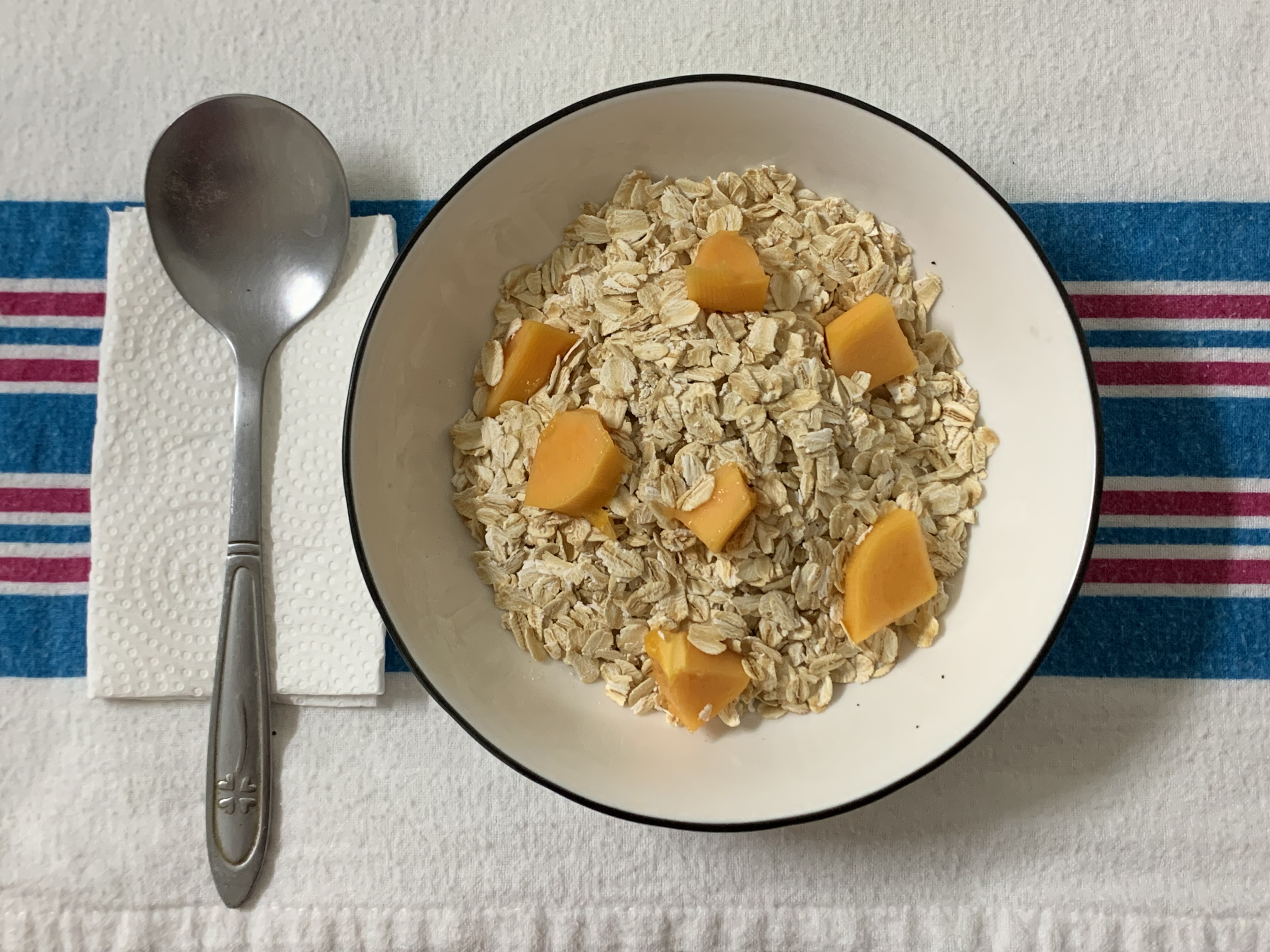
Origin: Oats date back about 32,000 years, when wild oats were hand-ground by paleolithic hunter-gatherers in Northern Africa and Southern Europe.
Nutrition: Oats are a good source of protein, dietary fiber, calcium, iron, thiamin (vitamin B1) and niacin (vitamin B3). Like barley, oats contain a type of fiber called beta-glucan (β-glucan). They also contain a wide variety of phytochemicals, including phenolic compounds which act as a defense mechanism against various pathogens.
Medicinal value: Oats are one of the best whole grains for lowering blood cholesterol levels. They have also been found to help strengthen the immune system, reduce inflammation and maintain healthy blood sugar levels, thus reducing the risk of type-2 diabetes. Oats have also been found to improve blood-pressure control, weight management and bowel movement regularity. Studies also reported that oats improve gut health by increasing the presence of friendly bacteria. Oats have also been found to help patients suffering from celiac disease, atherosclerosis and skin problems.
Rice
Oryza sativa
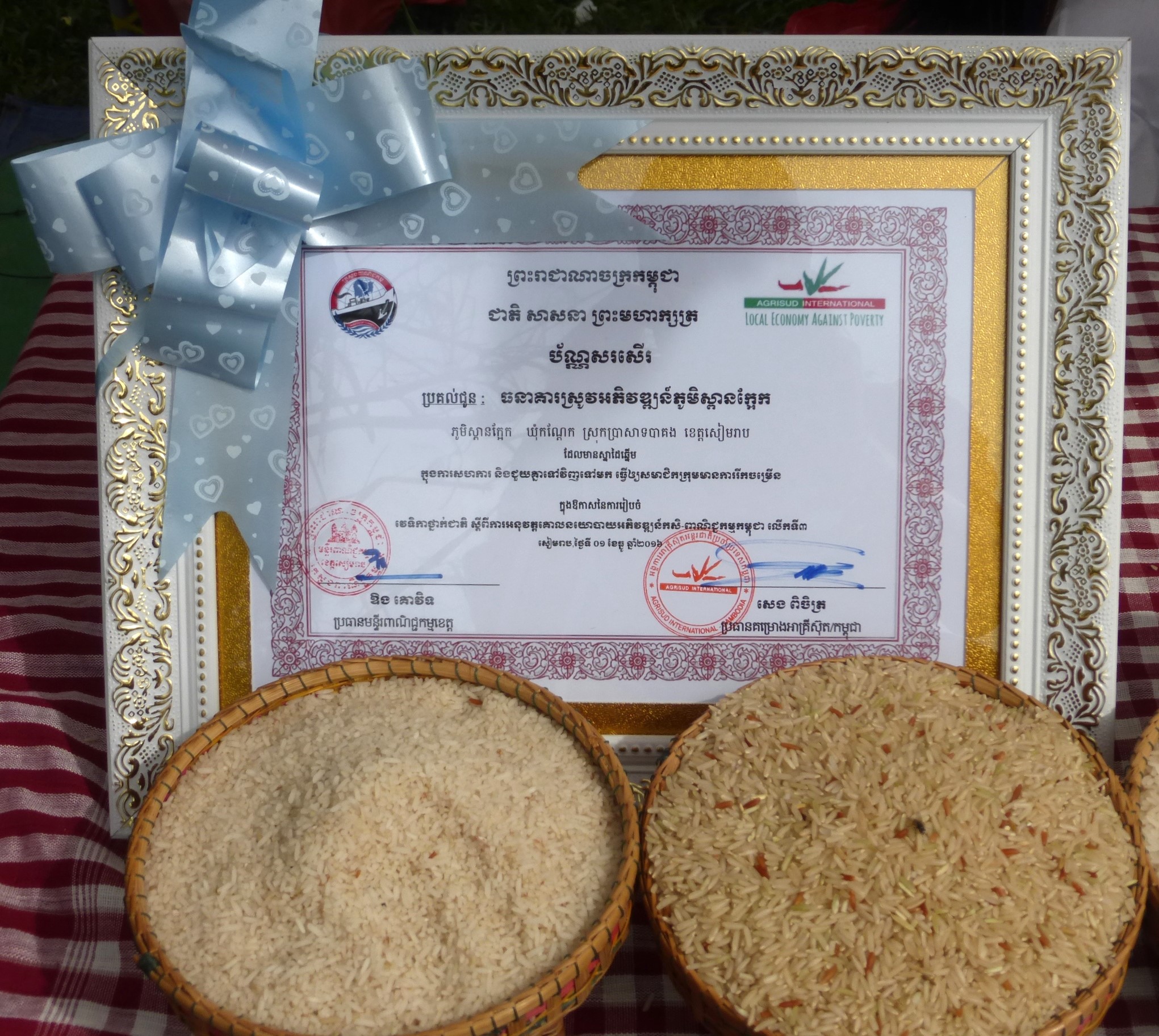
Award-winning rice (white and brown), Cambodia
Origin: There is evidence that rice was first grown in South Central China, in the Yangtze River Basin as early as 6000 BCE. Other archaeological evidence suggests that rice was also cultivated in the Ganges River Valley in what is now northern India (by people unconnected to those of the Yangtze) as far as 6500 BCE. There are also findings that rice was grown in Africa’s Inner Niger Delta as far back at 1000 BCE that is unrelated to the origins of Chinese or Indian rice.
Nutrition: Rice is a gluten-free food. Although rice is generally considered healthy to eat, brown rice retains both its germ and bran layer, which are the most nutritious parts of the grain, including protein, vitamins, minerals and antioxidants. In addition to B vitamins, brown rice contains dietary fiber, functional lipids, essential amino acids, as well as phytochemicals like phytosterols, phenolic acids, flavonoids, anthocyanins, proanthocyanins, tocopherols, tocotrienols, minerals, gamma aminobutyric acid (GABA) and γ-oryzanol.
Medicinal value: The combination of fiber and a low GI (glycemic index) in brown rice helps stabilize blood glucose levels, prevents food cravings and may help with weight management. The dietary fiber found in brown rice also supports the digestive system and the development of friendly intestinal bacteria.
Wheat
Triticum aeestivum
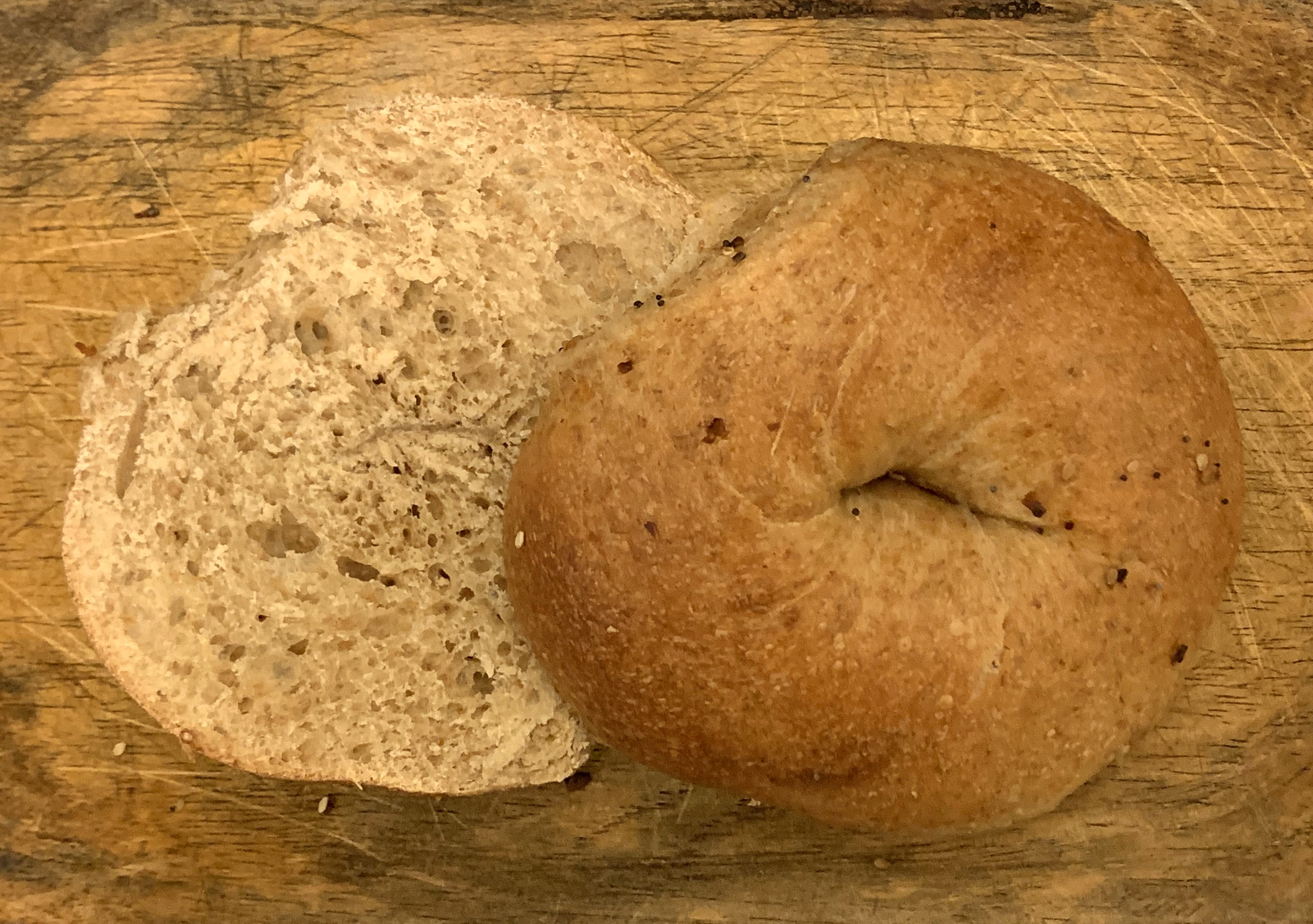
Whole wheat bagel.
Origin: Like barley, the origins of wheat have been traced to the Fertile Crescent, a hilly and mountainous region that extends from the foothills of the Zagros mountains in southwestern Iran, through the Tigris and Euphrates river basins in northern Iraq and southeastern Türkiye, continuing southwestward to Syria to the Mediterranean, and extending to central Israel and Jordan.
Nutrition: Whole wheat is a nutritious food. Whole wheat contains the bran (the outer layer that provides dietary fiber), the germ (the nutritious core of the kernel that contains many antioxidants) and the endosperm, which is the starchy middle layer of the grain. Processed wheat, which is made into white flour, only contains the endosperm. In addition to providing dietary fiber, whole wheat contains protein, dietary fiber, B-vitamins (especially niacin, thiamine and folate) and a variety of minerals, including phosphorous, magnesium and potassium.
Medicinal value: Consumption of whole grain products like whole wheat may reduce the risk of chronic diseases such as obesity, type 2 diabetes, cardiovascular diseases (CVDs), and cancer. The health-promoting effects of whole wheat products, can be attributed to their dietary fiber (DF) and phytochemical constituents.
