FRUITS
A fruit normally means the seed-associated fleshy structures (or produce) of plants that contain seeds. They are typically sweet or sour and are edible in their raw state, and include apples, bananas, grapes, peaches, oranges and berries. A fruit results from the fertilizing and maturing of one or more flowers.
Apples
Malus domestica
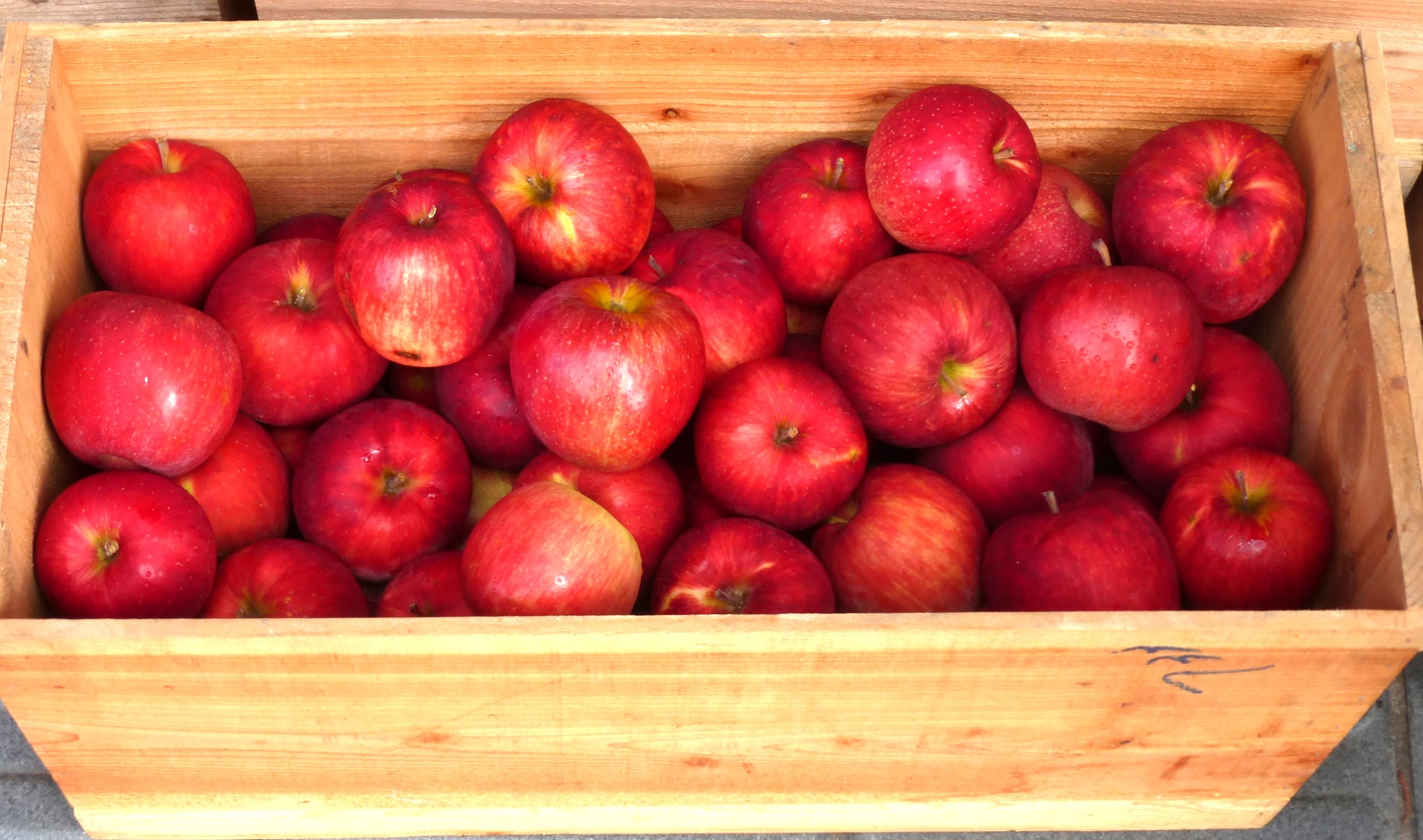
Origin: Central Asia (Kazakhstan, Uzbekistan and Kyrgyzstan).
Nutrition: Dietary fiber plus a range of vitamins and minerals including vitamin A and potassium.
Medicinal value: The antioxidants in apples can reduce inflammation caused by oxidative stress, a cause of accelerated aging, cardiovascular diseases, cancer and type II diabetes.
Bananas
Musa

Origin: Southeast Asia, especially between today's Malaysia and Indonesia.
Nutrition: Dietary fiber, potassium, vitamin B6 and vitamin C.
Medicinal Value: Bananas also supply various antioxidants and phytonutrients, including dopamine (a neurotransmitter), and catechins, which are important for heart health and digestion.
Blueberries
Vaccinium

Origin: Northeastern United States and southeastern Canada.
Nutrition: Dietary fiber, vitamin C, and vitamin K1, which is involved in blood clotting and may support bone health; the mineral manganese supports protein, carbohydrate and lipid metabolism.
Medicinal Value: Phytochemicals like anthocyanin are found in blueberries and are believed to protect against heart disease, cancer and diabetes; they help maintain bone strength, normalize blood pressure, support healthy skin and may even improve memory.
Cherries
Prunus avium

Origin: Asia Minor, between the Black Sea and the Caspian Sea.
Nutrition: Dietary fiber, minerals (potassium, magnesium, iron), and vitamins (beta carotene, vitamin C, riboflavin, niacin).
Medicinal value: The numerous antioxidants in cherries help prevent cell damage and chronic health problems like cancer, cardiovascular disease and diabetes. Eating cherries on a regular basis has also been found to relieve muscle pain and ease the swelling and pain of arthritis. The serotonin and melatonin found in cherries contribute to restful sleep.
Coconut
Cocos nucifera

Origin: Probably the Pacific basin (Southeast Asia) or the Indian Ocean basin, which includes modern-day Sri Lanka, India and Bangladesh. Despite its name, the coconut is defined as a fruit rather than a nut.
Nutrition: Coconut water contains high amounts of vitamin C, as well as electrolytes (required for proper nerve and muscle function, maintaining acid-base balance and keeping us hydrated), potassium and magnesium.
Medicinal Value: Coconut water, milk, meat and oil have been used by Ayurvedic practitioners to treat dozens of health problems, including digestive disorders, skin problems, cold and cough, venereal diseases and gingivitis.
Dates
Phoenix dactylifera

Origin: Either Mesopotamia (present-day Iraq, Iran, Syria, Kuwait and Türkiye) or in western India 5000 years ago.
Nutrition: Dietary fiber, calcium, iron, magnesium and potassium. They also contain a variety of antioxidants.
Medicinal value: Good for digestion and intestinal problems; dates have also been used to treat sore throat and colds, relief of fever, as well as cystitis and edema.
Dragon Fruit
Hylocereus undatus

Origin: Southern Mexico, the Pacific side of Guatemala as well as Costa Rica and El Salvador; it is also indigenous to Venezuela, Colombia, Ecuador, Curaçao, Panamá, Brazil and Uruguay.
Nutrition: Dietary fiber, vitamin C, as well as riboflavin, niacin, calcium, phosphorus, magnesium and iron.
Medicinal value: Rich in antioxidants, which help prevent inflammation and cell damage, a major cause of cancer, heart disease and diabetes. One is lycopene, which may promote good oral health, bone health, and regulate blood pressure.
Grapes
Vitis vinifera

Origin: Archeological evidence suggests that our ancestors began growing grapes as early as 6500 BCE. By 4000 BCE, the cultivation of grapes extended from Transcaucasia (comprising present-day Georgia, Azerbaijan and Armenia) to Asia Minor (the western peninsula of Asia that includes much of modern-day Türkiye) and through the Nile Delta of Egypt.
Nutrition: Grapes are a good source of vitamins C and K, and also contain protein, carbohydrates, dietary fiber and minerals, including potassium.
Medicinal value: Grapes are a source of important micronutrients including polyphenols, catechins and anthocyanins, which have protective antioxidant properties that prevent cell damage and help protect the heart, eyes and brain. Grapes also contain Resveratrol, which has been linked to promoting heart health, eye health and reducing the growth of colon cancer.
Oranges
Citrus
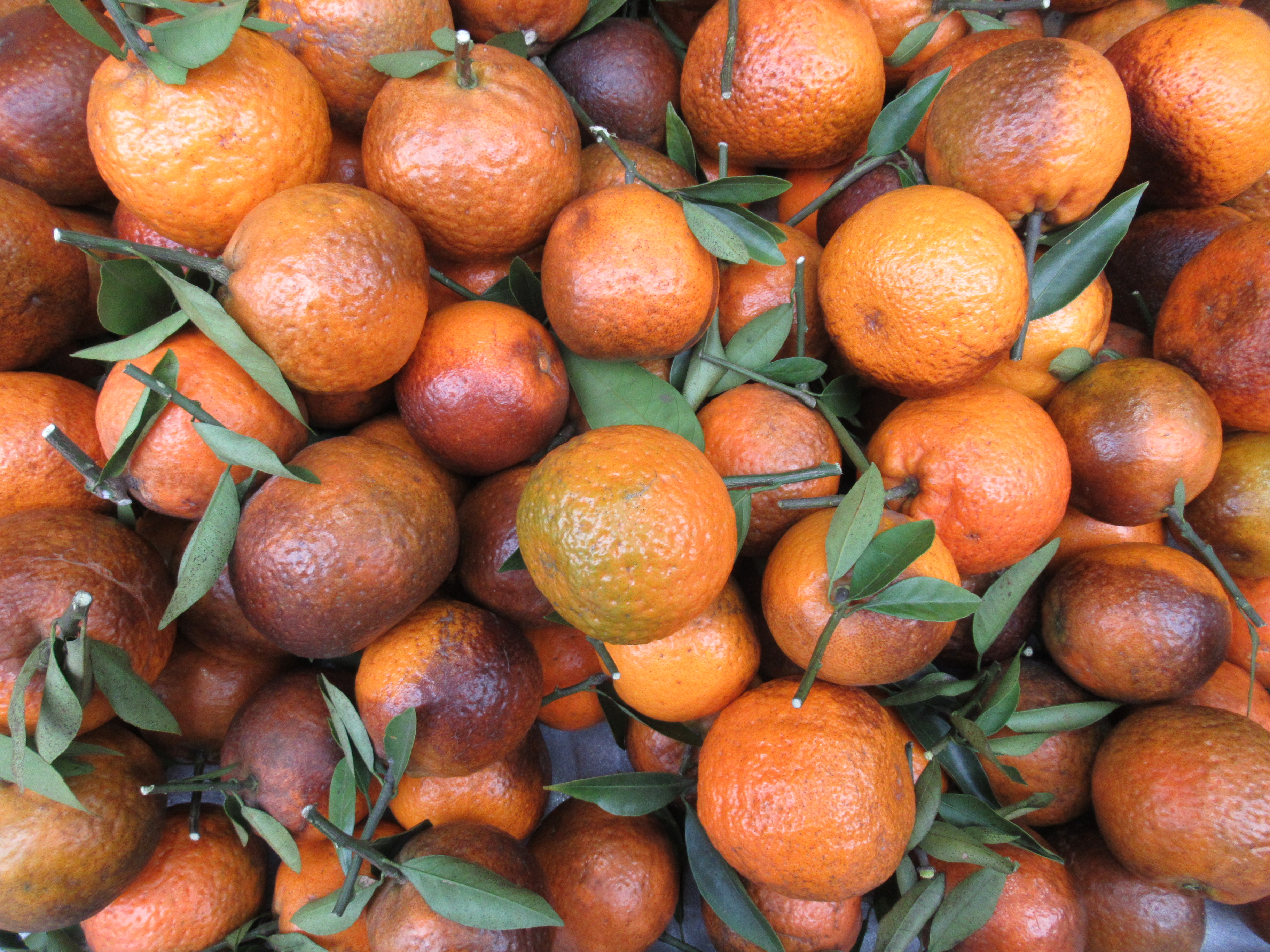
Origin: China.
Nutrition: High in vitamin C and other antioxidants. Some carotenoids in oranges are converted into vitamin A, which supports eye health, improves night vision and may help prevent age-related macular degeneration. Orange are also a good source of other healthy phytochemicals.
Medicinal value: The antioxidants in oranges support the immune system, promote healthy skin, reduce the risk of heart disease and may help prevent colon and other types of cancer. The carotenoids in oranges makes them orange in color and may reduce the risk of cancers of the head, neck and prostate. The D- limonene found in oranges is believed to help reduce the risk of lung, skin and breast cancer.
Papayas
Carica papaya

Origin: Southern Mexico (especially Chiapas and Veracruz) and western Central America.
Nutrition: Papayas area major source of vitamin C. They also contain folate, vitamin A, magnesium, copper, pantothenic acid and dietary fiber.
Medicinal value: Digestive aid; consuming papaya may include a reduced risk of heart disease, diabetes and cancer; eating papayas can also help reduce blood glucose levels and blood pressure.
Peaches
Prunus persica
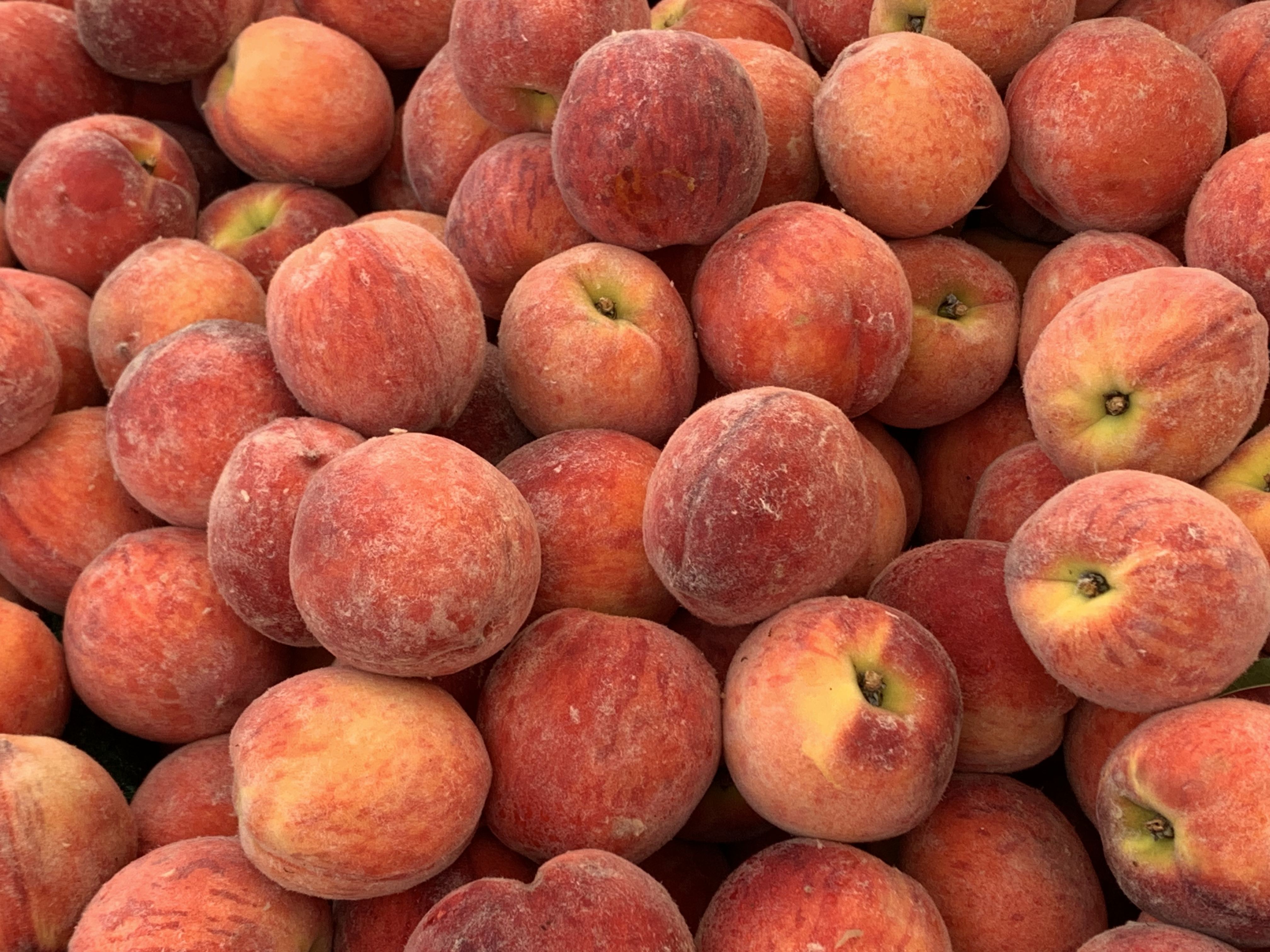
Origin: Peaches have been cultivated in China since 6000 BCE in what is now Zhejiang Province, just south of Shanghai. Peaches were introduced to North America by Spanish monks around St. Augustine, Florida in the mid-1500s.
Nutrition: Peaches contain moderate amounts of dietary fiber, protein, potassium and vitamins A and C. They also contain numerous phytochemicals that support good health.
Medicinal value: Peaches have been found to reduce cholesterol and help lower blood pressure; they also aid in digestion and reduce inflammation. Peaches also strengthen the immune system and support healthy eyes and skin.
